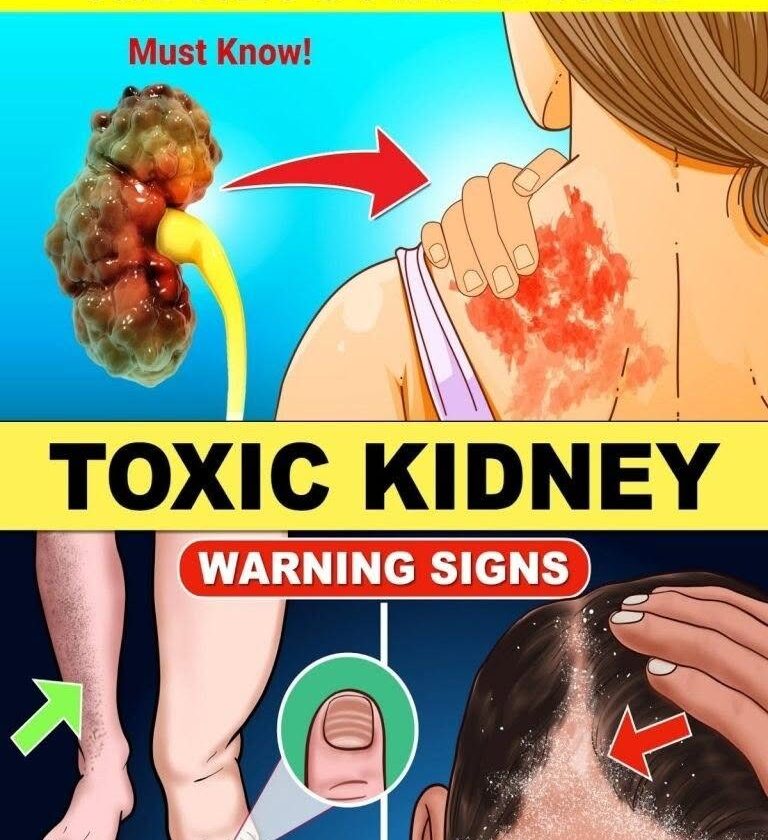
9 Warning Signs of Possible Kidney Problems (and Why Early Testing Matters)The kidneys help remove waste, balance fluids, control blood pressure, and support healthy blood chemistry. Chronic kidney disease (CKD) often develops slowly and may have few symptoms early on, so testing is important for people at higher risk.
Possible warning signs
1. Changes in urination
- Urinating much more or less than usual
- Waking frequently at night to urinate
- Foamy urine (which may indicate protein in the urine)
- Blood in the urine
2. Swelling (edema)
- Swelling in the ankles, feet, hands, or around the eyes can occur when the body retains extra fluid.
3. Persistent fatigue
- Kidney problems can contribute to anemia and a buildup of waste products that may cause tiredness.
4. Nausea or loss of appetite
- More advanced kidney problems may affect digestion and appetite.
5. Itchy skin or dry skin
- Mineral and waste imbalances can sometimes cause itching.
6. Shortness of breath
- Fluid buildup or anemia related to kidney disease can contribute to breathing difficulties.
7. Trouble concentrating or confusion
- Waste buildup and chemical imbalances can affect how the brain functions.
8. Muscle cramps
- Changes in electrolytes such as calcium or potassium may contribute to cramps.
9. High blood pressure
- Kidney disease and high blood pressure can worsen each other.
Tests that help check kidney health
Healthcare professionals commonly use:
1. Blood test: eGFR
- Estimates how well the kidneys filter waste from the blood.
2. Urine test: Albumin-to-creatinine ratio (ACR)
- Checks for protein leakage that can signal kidney damage.
3. Blood pressure measurement
- High blood pressure is both a cause and a consequence of kidney disease.
Can kidney failure be prevented?
Many cases of kidney disease can be slowed by:
- Managing blood pressure and diabetes
- Avoiding unnecessary use of certain pain medicines (especially frequent NSAID use unless advised)
- Maintaining a healthy weight
- Staying physically active
- Following medical advice and attending regular checkups if at risk
Who should consider regular kidney screening?
People with:
- Diabetes
- High blood pressure
- Heart disease
- A family history of kidney disease
- Older age or certain medication risks
If you have symptoms such as blood in urine, severe swelling, chest pain, severe shortness of breath, or a sudden major change in urination, seek medical advice promptly. Early detection and treatment can help protect kidney function and may reduce the risk of reaching kidney failure.