The headline “New method: colonoscopy will no longer be an invasive examination” refers to ongoing efforts to make colon cancer screening easier and more comfortable, but it needs some context.
A traditional colonoscopy is still an invasive procedure because it involves inserting a flexible camera into the colon. It remains one of the most thorough ways to examine the colon, detect polyps, and remove them during the same procedure.
However, newer or less invasive screening options are available or being developed, including:
- Stool-based tests
- These look for hidden blood or abnormal DNA markers in stool.
- They do not require a camera procedure but may need follow-up colonoscopy if results are abnormal.
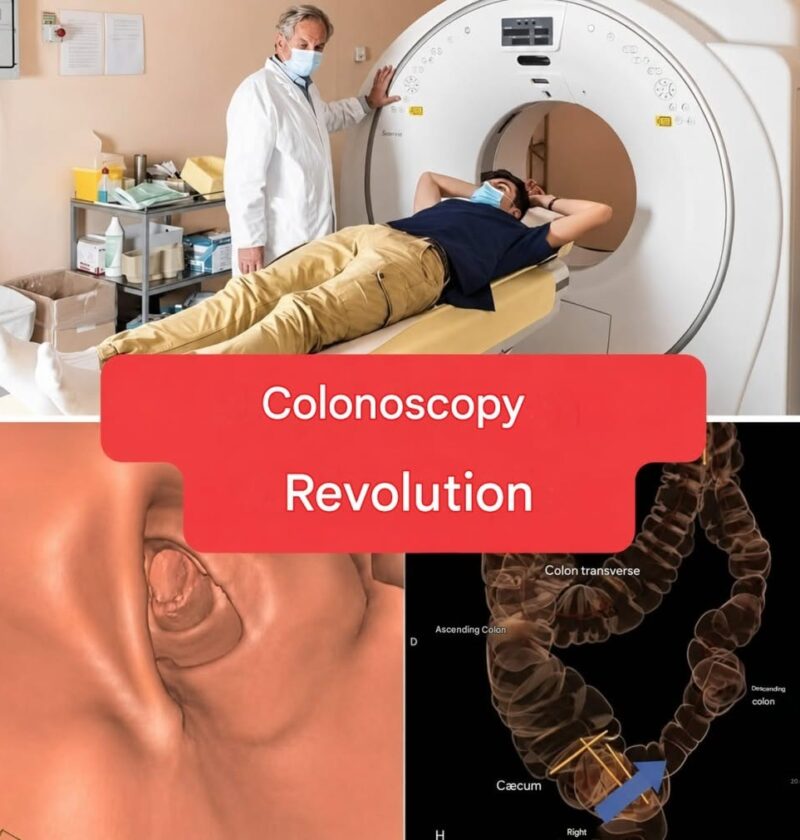
- CT colonography (“virtual colonoscopy”)
- Uses CT imaging to create pictures of the colon.
- It does not require inserting a scope, but bowel preparation is still usually needed, and suspicious findings may require a traditional colonoscopy.
- Advanced imaging and research methods
- Researchers are studying technologies that could make colon screening more convenient and less invasive in the future.
While screening methods are improving, claims that “colonoscopy will soon disappear completely” are misleading. The best screening choice depends on factors such as age, risk factors, family history, previous findings, and local medical guidelines.