Who Is Most at Risk of Night Cramps?
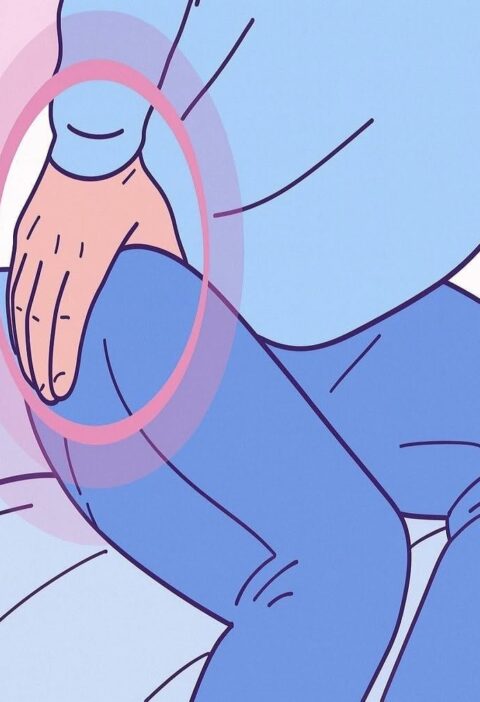
Night cramps (also called nocturnal leg cramps) are sudden, painful muscle contractions that usually affect the calves, feet, or thighs during sleep or rest. They can happen to anyone, but certain people have a higher chance of experiencing them.
People More Likely to Get Night Cramps
1. Older Adults
Night cramps become more common with age, especially after age 50. Changes in muscles, nerves, circulation, and physical activity levels may contribute.
2. Pregnant People
Pregnancy—especially in the later months—can increase the likelihood of leg cramps due to weight changes, pressure on nerves and blood vessels, and shifts in mineral balance.
3. People Who Are Physically Inactive
Long periods of sitting, limited movement, or reduced muscle flexibility can make muscles more prone to tightening and spasming.
4. People Who Overuse Their Muscles
Strenuous exercise, prolonged standing, heavy physical work, or unusual activity can fatigue muscles and trigger nighttime cramps.
5. People With Dehydration or Electrolyte Imbalances
Low levels of certain minerals, including magnesium, potassium, or calcium, or inadequate fluid intake may contribute to muscle cramping in some people.
6. People With Certain Medical Conditions
Night cramps may be more common in people with conditions such as:
- Diabetes (especially when nerve damage is present)
- Kidney disease
- Liver disease
- Thyroid disorders
- Peripheral artery disease (reduced blood flow to the legs)
- Nerve disorders affecting the legs
7. People Taking Certain Medications
Some medications may increase the risk of muscle cramps, including:
- Diuretics (“water pills”) used for blood pressure or fluid retention
- Some cholesterol-lowering medications (statins)
- Certain asthma medications
- Some osteoporosis treatments
8. People With Poor Sleep Position or Muscle Tightness
Sleeping with the feet pointed downward or having tight calf muscles may trigger cramps in some individuals.
When Night Cramps May Need Medical Attention
Talk with a healthcare professional if cramps:
- Happen frequently or are getting worse
- Cause severe pain or disrupt sleep regularly
- Come with leg swelling, redness, weakness, or numbness
- Occur with changes in walking ability or circulation problems
Ways to Reduce the Risk
Helpful habits may include:
- Gentle calf and leg stretching before bed
- Staying physically active with regular movement
- Drinking enough fluids
- Wearing supportive footwear during the day
- Avoiding sudden increases in exercise intensity
Occasional night cramps are common, but frequent or severe episodes may be worth discussing with a healthcare professional to look for an underlying cause.