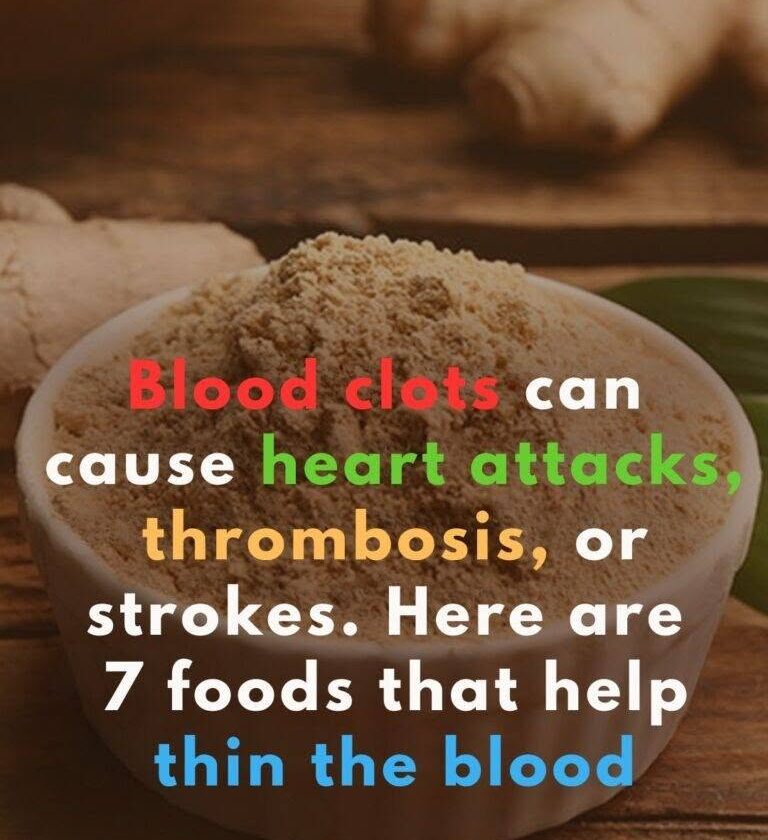
7 “Blood-Thinning” Foods You Should Know AboutSome foods contain compounds that may have mild effects on blood clotting or circulation, but they are not substitutes for prescribed blood-thinning medications. The term “blood-thinning foods” can be misleading—foods generally do not work like medicines such as anticoagulants.Here are foods often studied for their potential cardiovascular benefits:
1. Garlic
- Contains sulfur compounds that may have mild effects on platelet activity.
- Also associated with heart-health benefits as part of a balanced diet.
2. Fatty fish
Examples: salmon, sardines, mackerel
- Rich in omega-3 fatty acids, which may support healthy blood vessel function.
3. Ginger
- Contains compounds that may influence inflammation and platelet activity.
- Large amounts may be a concern for some people taking blood-thinning medication.
4. Turmeric
- Contains curcumin, which has anti-inflammatory properties.
- Research is ongoing regarding its effects on clotting.
5. Berries
Examples: blueberries, strawberries, raspberries
- Rich in antioxidants and plant compounds that support overall cardiovascular health.
6. Nuts and seeds
Examples: walnuts, flaxseeds, chia seeds
- Provide healthy fats, fiber, and nutrients that support heart health.
7. Leafy green vegetables
Examples: spinach, kale, lettuce
- Support cardiovascular health through vitamins, minerals, and antioxidants.
- Note: They are high in vitamin K, which is important for blood clotting and can affect how warfarin works. People taking warfarin should keep their vitamin K intake consistent and follow medical advice.
Important safety note
If you take blood thinners (such as warfarin, apixaban, rivaroxaban, or others), have a bleeding disorder, or are scheduled for surgery, talk with your healthcare professional before making major changes to your diet or taking concentrated supplements.
A heart-healthy eating pattern—rich in vegetables, fruits, whole grains, lean proteins, and healthy fats—is the best-supported way to support circulation and cardiovascular health.