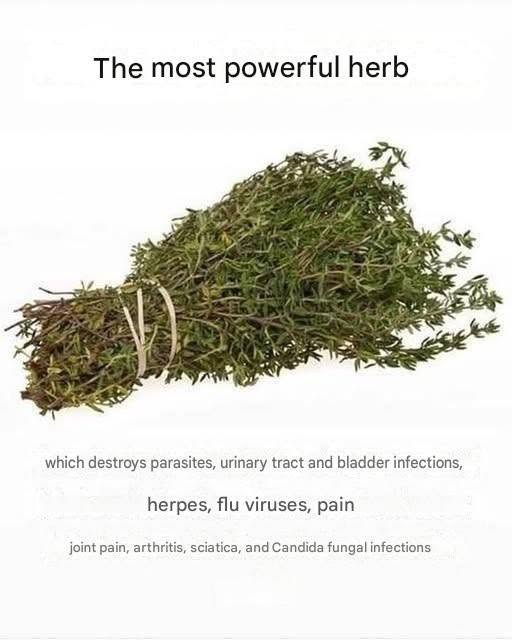
Claims that one “most powerful herb” can destroy parasites, urinary tract infections, bladder infections, herpes, and flu viruses are common online, but no single herb has been proven to cure all of these conditions.
Different problems require different treatments:
- Parasites: Treatment depends on the specific parasite. Some herbal compounds may show effects in laboratory studies, but they are not a reliable replacement for proven antiparasitic medicines.
- Urinary tract infections (UTIs) and bladder infections: Some herbs may support urinary health, but bacterial UTIs often require proper diagnosis and, when appropriate, antibiotics to prevent complications such as kidney infection.
- Herpes viruses: There is no herb proven to eliminate herpes from the body. Antiviral medications can help reduce outbreaks and symptoms.
- Flu viruses: Rest, fluids, and certain antiviral medicines (when prescribed early for eligible people) are the evidence-based approaches.
Some herbs that have been researched for supportive health effects include:
- Garlic (antimicrobial compounds in laboratory studies)
- Cranberry (may help reduce the risk of some recurrent UTIs in certain people)
- Ginger (may have anti-inflammatory properties)
- Echinacea (mixed evidence for some cold symptoms)
However, “natural” does not always mean safe. Herbs can interact with medications, affect blood pressure or blood thinning, and may be unsafe in certain conditions.
If you mean a specific herb from a viral post (for example oregano, wormwood, black seed, neem, clove, garlic, or another one), tell me the name and I can explain what evidence exists and how safe it is.