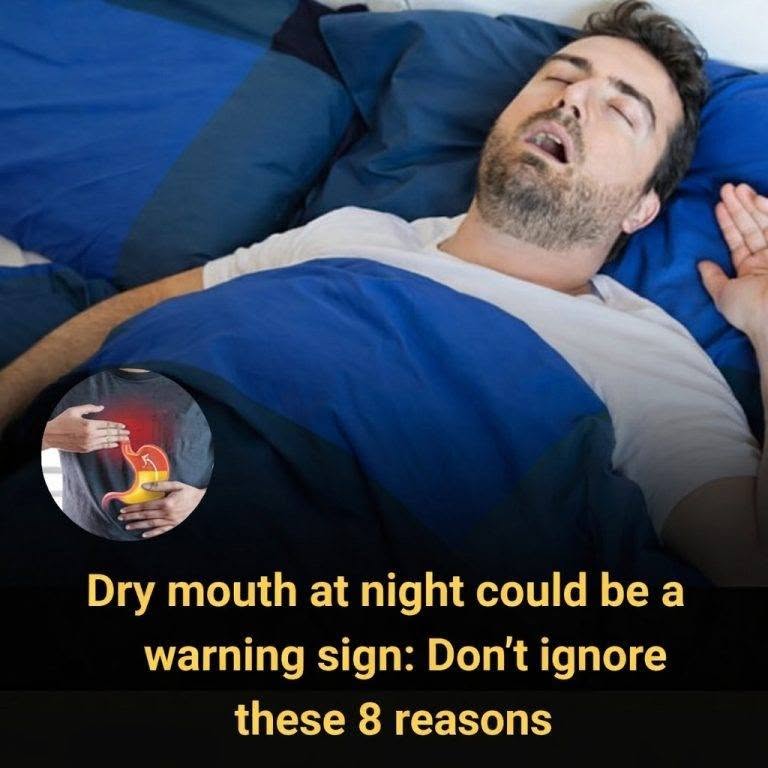
A dry mouth at night is common and can happen from simple causes like sleeping with your mouth open, dehydration, or certain medications. However, persistent nighttime dry mouth can sometimes be a sign of an underlying issue that deserves attention.
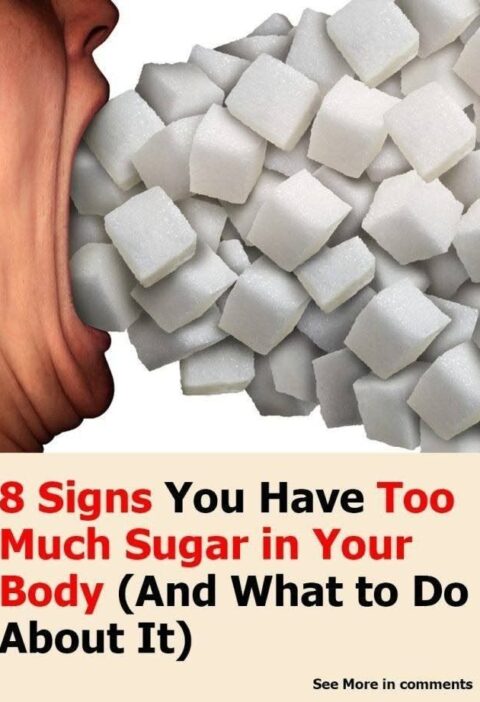
8 signs that nighttime dry mouth may need evaluation
- Very frequent thirst
- Constantly waking up needing water may be linked to dehydration or other health conditions.
- Dry mouth with frequent urination
- This combination can be associated with high blood sugar and should be discussed with a healthcare professional.
- Loud snoring or pauses in breathing
- Dry mouth on waking can occur with mouth breathing, including in people with sleep apnea.
- Difficulty swallowing or speaking
- Ongoing dryness can affect normal mouth and throat function.
- Bad breath or a bad taste in the mouth
- Reduced saliva can allow bacteria to increase.
- More cavities or gum problems
- Saliva protects teeth, so reduced saliva production can raise the risk of tooth decay.
- Dry eyes or dryness in other areas
- Widespread dryness may be related to certain medical conditions.
- A sudden or severe change in saliva production
- New, persistent symptoms should be checked, especially if they appear with other health changes.
Common causes of dry mouth at night
- Sleeping with your mouth open
- Nasal congestion or allergies
- Dehydration
- Alcohol or caffeine use
- Smoking
- Stress or anxiety
- Medications such as some antihistamines, antidepressants, and blood pressure medicines
What may help
- Drink enough fluids during the day
- Use a humidifier if the air is dry
- Maintain good oral hygiene
- Avoid alcohol or caffeine close to bedtime if they worsen symptoms
- Discuss medication side effects with a healthcare professional rather than stopping medicines on your own
If dry mouth is persistent for weeks, affects eating or swallowing, causes frequent dental problems, or occurs with symptoms like unexplained weight loss, excessive thirst, or frequent urination, it’s worth seeking medical advice.