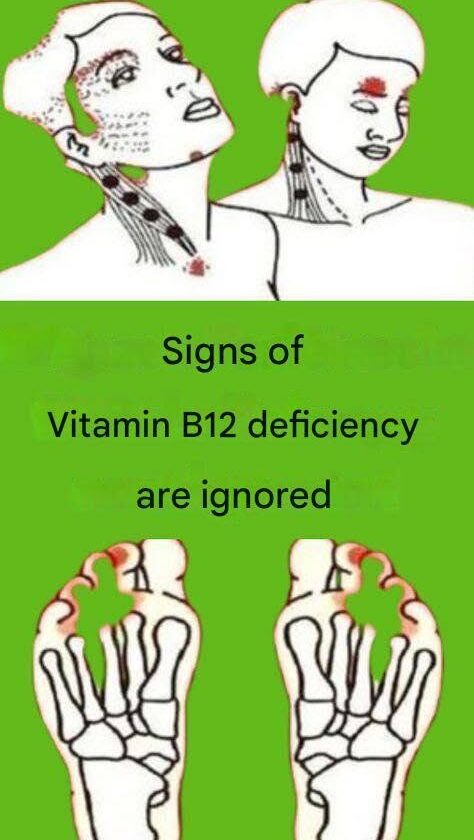
“Signs of vitamin B12 deficiency are ignored”is a health awareness-style headline suggesting that some symptoms of low vitamin B12 may be overlooked or mistaken for other problems.
What is vitamin B12 deficiency?
Vitamin B12 is an essential nutrient involved in:
- Making healthy red blood cells
- Supporting the nervous system
- Helping with DNA production
- Maintaining normal energy metabolism
A deficiency can develop when the body does not get enough B12 or cannot absorb it properly.
Possible signs of vitamin B12 deficiency
1. Tiredness and weakness
- Feeling unusually fatigued
- Reduced stamina
- Low energy
2. Numbness or tingling
- “Pins and needles” sensations, especially in the hands or feet
- Changes in sensation due to nerve involvement
3. Balance problems
- Unsteadiness or difficulty walking in some cases
4. Brain and mood changes
- Trouble concentrating
- Memory difficulties
- Irritability or mood changes
5. Pale skin or unusual appearance
- B12 deficiency can contribute to a type of anemia that may cause paleness.
6. Sore tongue or mouth changes
- A smooth, red, or painful tongue can occur.
7. Vision or nerve-related symptoms
- Rarely, nerve problems related to B12 deficiency can affect vision.
Who may be at higher risk?
- Older adults
- People with absorption problems (such as certain stomach or intestinal conditions)
- People who follow a strict vegan diet without B12 supplementation
- People taking certain medications that affect B12 absorption (for example, some acid-reducing medicines or metformin)
Important note
These symptoms are not specific to B12 deficiency and can have many other causes. A blood test is usually needed to confirm whether B12 levels are low.
Overall meaning:
“The headline encourages people to recognize possible signs of vitamin B12 deficiency, but symptoms should be evaluated properly rather than assumed to be caused by low B12.”