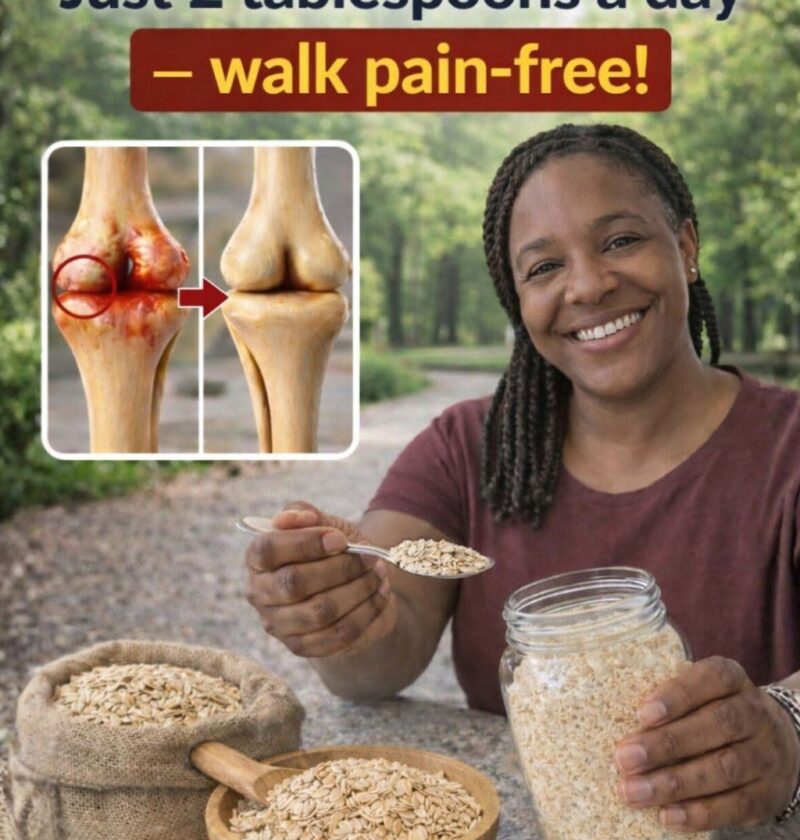
Why Knee Discomfort Becomes More Common With AgeKnee discomfort is more common as people get older because the joints undergo natural changes over time. While aging itself plays a role, factors such as previous injuries, body weight, activity level, and certain medical conditions also contribute.
Common reasons
1. Osteoarthritis
- The most common cause of knee pain in older adults.
- The cartilage that cushions the joint gradually wears down, leading to pain, stiffness, and reduced movement.
2. Loss of muscle strength
- The muscles around the knee, especially the quadriceps, tend to weaken with age.
- Weaker muscles provide less support and increase stress on the joint.
3. Wear and tear
- Years of walking, climbing stairs, sports, or repetitive movements can gradually affect the cartilage, tendons, and ligaments.
4. Previous injuries
- Old injuries, such as ligament tears or meniscus damage, can increase the risk of knee pain and arthritis later in life.
5. Excess body weight
- Carrying extra weight places additional stress on the knees, increasing the risk of pain and osteoarthritis.
6. Reduced flexibility
- Tendons and ligaments become less flexible with age, which may contribute to stiffness and discomfort.
Ways to help protect your knees
- Stay physically active with low-impact exercise, such as walking, cycling, swimming, or water aerobics.
- Strengthen the muscles around the knees through appropriate exercises.
- Maintain a healthy weight, if possible.
- Stretch regularly to improve flexibility.
- Wear supportive footwear.
- Avoid suddenly increasing the intensity of physical activity.
When to seek medical advice
See a healthcare professional if you have:
- Severe pain or swelling after an injury.
- A knee that cannot bear weight or repeatedly gives way.
- Significant redness, warmth, or fever.
- Pain that persists for several weeks despite self-care.
- Noticeable deformity or inability to fully straighten or bend the knee.
The outlook
Although knee discomfort becomes more common with age, it isn’t an inevitable part of getting older. Regular exercise, maintaining muscle strength, managing weight, and treating underlying conditions can help reduce pain and improve mobility. If knee pain is limiting your daily activities, a healthcare professional can help determine the cause and recommend treatments such as physical therapy, medications, or other options based on your specific condition.