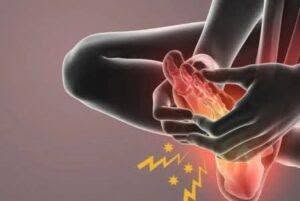
Night cramps—most often referring to Nocturnal leg cramps—are very common, and in many cases they’re harmless. But certain groups of people are more likely to experience them.
Who is most at risk?
1) Older adults
This is the biggest risk group.
- Muscles naturally lose flexibility and endurance with age
- Nerves and blood circulation become less efficient
- Night cramps become more frequent after age 50
2) Pregnant women
Especially in the second and third trimester:
- Increased pressure on blood vessels
- Changes in calcium and magnesium balance
- Fatigue and fluid shifts in the body
3) People who are dehydrated or low in electrolytes
Higher risk if there is:
- Low potassium, magnesium, or calcium
- Heavy sweating (heat, physical work, sports)
- Not drinking enough fluids
4) Physically active people (especially athletes)
- Muscle fatigue or overuse during the day
- Intense exercise without proper stretching
- Dehydration after workouts
5) People with certain medical conditions
Night cramps are more common with:
- Diabetes (nerve irritation)
- Kidney disease (electrolyte imbalance)
- Peripheral artery disease (reduced blood flow)
- Thyroid disorders
6) People taking certain medications
Some medicines can increase cramp risk, such as:
- Diuretics (“water pills”)
- Some cholesterol-lowering drugs (statins)
- Asthma medications (beta-agonists)
Key takeaway
Most night cramps are benign and related to muscle fatigue, hydration, or aging, not something dangerous. But if they are frequent, severe, or paired with swelling, weakness, or numbness, it’s worth getting checked.
If you want, I can also tell you the fastest ways to stop a cramp in the moment and prevent them long-term.