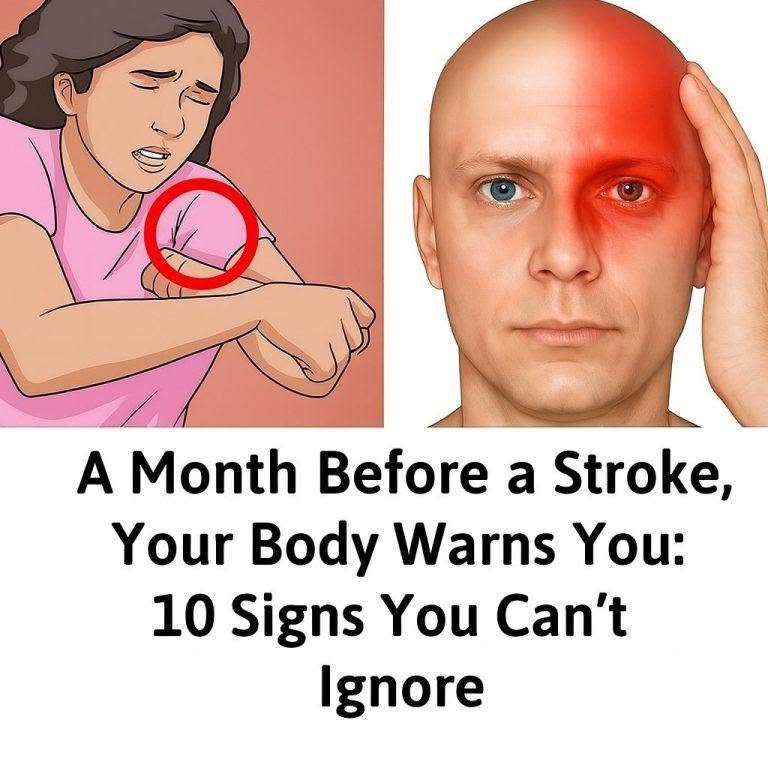
It’s important to know that not everyone experiences warning signs before a stroke, and having one or more of these symptoms does not necessarily mean a stroke is imminent. However, any sudden neurological symptoms should be evaluated immediately.
What Is a Stroke?
A Stroke occurs when blood flow to part of the brain is interrupted or when a blood vessel in the brain ruptures. Without oxygen and nutrients, brain cells begin to die within minutes.
10 Possible Warning Signs
1. Sudden Weakness or Numbness
Weakness or numbness affecting the face, arm, or leg—especially on one side of the body—can be an early warning sign.
2. Difficulty Speaking
Slurred speech, trouble finding words, or difficulty understanding others should never be ignored.
3. Temporary Vision Changes
Blurred vision, double vision, or sudden vision loss in one or both eyes may signal reduced blood flow to the brain or eyes.
4. Sudden Dizziness or Loss of Balance
Unexpected dizziness, difficulty walking, or poor coordination can occur, particularly with strokes affecting the back of the brain.
5. Severe, Unexplained Headache
A sudden, intense headache—especially if it’s unlike any you’ve had before—may require immediate medical evaluation.
6. Brief Episodes of Confusion
Sudden confusion, memory problems, or difficulty understanding simple instructions may be warning signs.
7. Facial Drooping
One side of the face may droop or feel numb. A smile may appear uneven.
8. Sudden Difficulty Swallowing
Trouble swallowing without another obvious cause can sometimes occur with neurological problems.
9. Episodes That Quickly Resolve
Symptoms that disappear within minutes or hours may indicate a transient ischemic attack (TIA). Even though they improve, they require emergency medical assessment because they can precede a stroke.
10. Sudden Fatigue or Weakness
While fatigue alone is common and has many causes, sudden, unexplained weakness accompanied by other neurological symptoms deserves prompt medical attention.
Remember the FAST Test
If you suspect someone is having a stroke, remember FAST:
- F – Face: Ask the person to smile. Does one side droop?
- A – Arms: Ask them to raise both arms. Does one drift downward?
- S – Speech: Is speech slurred or difficult to understand?
- T – Time: Call your local emergency services immediately. Every minute counts.
Risk Factors
Your risk of stroke increases with:
- High blood pressure
- Diabetes
- High cholesterol
- Smoking
- Heart rhythm disorders such as Atrial fibrillation
- Obesity
- Physical inactivity
- Excessive alcohol use
Managing these conditions can significantly reduce your risk.
When to Seek Emergency Care
Seek emergency medical attention immediately if you or someone else develops sudden:
- Weakness or numbness on one side
- Trouble speaking or understanding speech
- Vision loss
- Severe dizziness or loss of coordination
- Sudden severe headache
- Facial drooping
Even if the symptoms disappear, urgent evaluation is essential because they may represent a TIA.
Conclusion
A stroke is a medical emergency, and rapid treatment can save lives and reduce long-term disability. While some people experience warning signs beforehand, many do not. Learning to recognize the symptoms and acting quickly can make a critical difference. If you notice sudden neurological symptoms, don’t wait to see if they improve—seek emergency medical care right away.