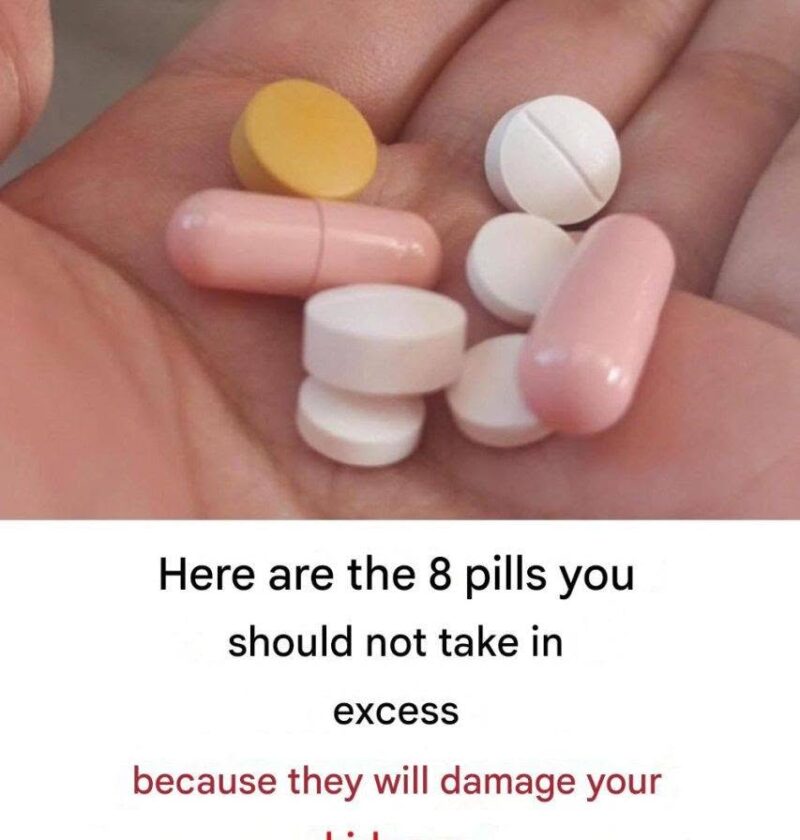
1. Nonsteroidal Anti-Inflammatory Drugs (NSAIDs)
Examples include common pain relievers such as ibuprofen and naproxen.
Possible kidney risks:
- Reduced blood flow to the kidneys
- Acute kidney injury, especially with dehydration or existing kidney disease
2. Certain Antibiotics
Some antibiotics can affect kidney function, especially in vulnerable people.
Possible risks:
- Kidney inflammation
- Changes in kidney filtration
3. Some Blood Pressure Medicines (in Certain Situations)
Medicines that affect the kidney’s blood flow can sometimes change kidney function, especially during dehydration or illness.
Important: Many of these medicines are also kidney-protective for certain conditions, so they should only be adjusted by a clinician.
4. Diuretics (“Water Pills”)
Used for conditions such as high blood pressure and heart problems.
Possible risks:
- Dehydration
- Electrolyte changes that can strain the kidneys
5. Certain Acid-Reducing Medicines
Some long-term users of certain stomach acid medications may have an increased risk of kidney problems.
6. Some Antiviral Medicines
Certain antiviral drugs may require kidney monitoring because they can affect kidney function.
7. Certain Chemotherapy Medicines
Some cancer treatments can be toxic to the kidneys, so doctors monitor kidney function during treatment.
8. Herbal or “Natural” Supplements in Pill Form
Some supplements may contain substances that can harm the kidneys or interact with medicines.
Examples of concerns:
- Unknown ingredients
- Contaminants
- High doses of certain minerals or extracts
Ways to Protect Your Kidneys
- Avoid taking painkillers more often or at higher doses than recommended.
- Stay hydrated, especially during illness or hot weather.
- Tell healthcare professionals about all medicines and supplements you take.
- Have kidney function checked if you have risk factors such as diabetes, high blood pressure, or a history of kidney disease.
Kidney damage from medications is often related to dose, duration, combinations of medicines, and personal health conditions—not simply the name of a pill alone. Always check with a healthcare professional before changing a medication routine.