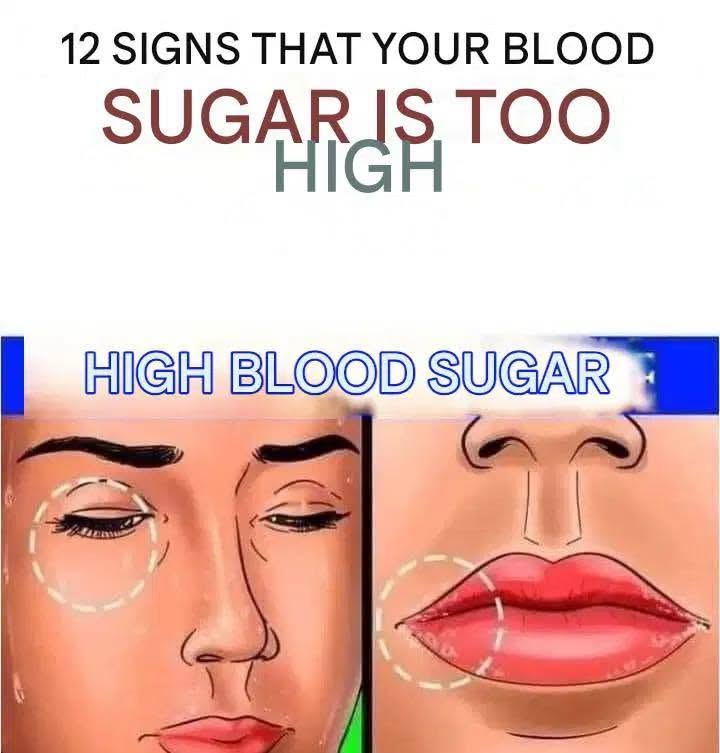
High blood sugar (hyperglycemia) can sometimes develop gradually, and the symptoms may be easy to miss. Recognizing possible warning signs can help you seek medical advice and get appropriate testing (such as a blood glucose test or HbA1c test).
12 possible signs of high blood sugar
- Increased thirst
Feeling unusually thirsty or needing more fluids than usual. - Frequent urination
Especially waking up at night to urinate. - Increased hunger
Feeling hungry even after eating. - Unexplained weight loss
Losing weight without trying can occur when the body cannot use glucose properly. - Fatigue or low energy
High glucose levels can affect how efficiently your body uses energy. - Blurred vision
Changes in fluid balance can temporarily affect the eyes. - Slow-healing cuts or wounds
High blood sugar can affect circulation and the body’s ability to repair tissue. - Frequent infections
Some people with uncontrolled diabetes experience more infections, including skin or urinary infections. - Tingling or numbness in hands or feet
Long-term high blood sugar can damage nerves (diabetic neuropathy). - Dry mouth or itchy skin
Dehydration and changes in skin health may contribute. - Difficulty concentrating (“brain fog”)
Fluctuating glucose levels may affect how you feel mentally. - Mood changes or irritability
Blood sugar swings can influence energy and mood.
When to get checked
If you have several of these symptoms—especially excessive thirst, frequent urination, unexplained weight loss, or persistent fatigue—it’s worth discussing with a healthcare professional and getting your blood sugar tested.
If you already have a blood