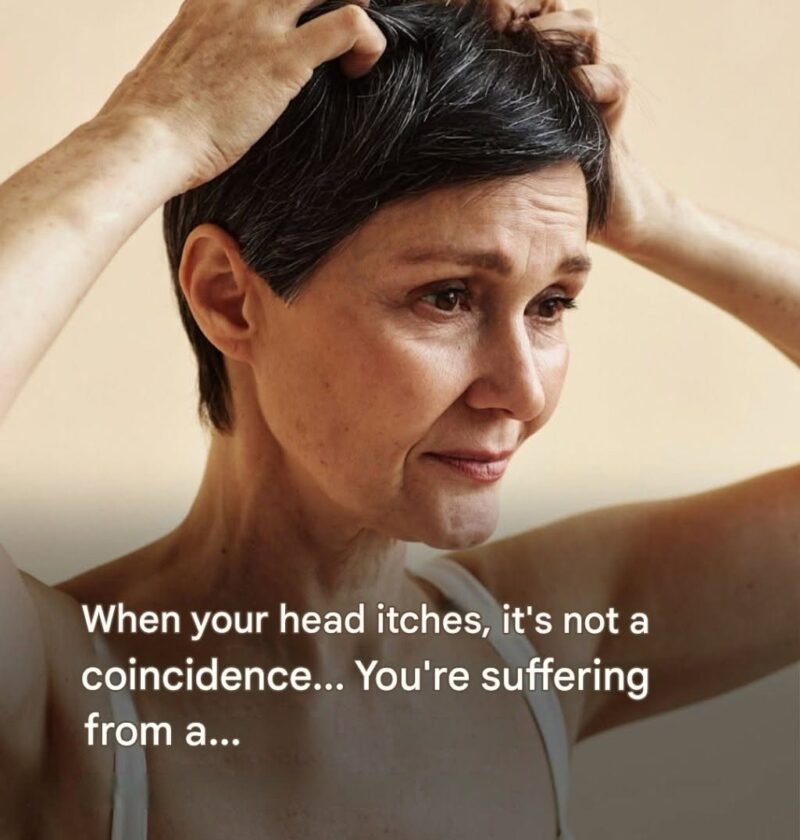
An itchy scalp is common and can have many causes. A dermatologist would usually look at the pattern of itching, the appearance of the scalp, and any other symptoms (flakes, redness, sores, hair loss, or pain).
Common causes of an itchy scalp
- Dandruff (seborrheic dermatitis)
- One of the most common causes.
- May cause white or yellowish flakes, oiliness, redness, and irritation.
- Often related to an overgrowth of a normal skin yeast called Malassezia and sensitivity to it.
- Dry scalp
- Can happen from dry weather, frequent washing, hot water, or harsh shampoos.
- Usually causes fine flakes and tight, itchy skin.
- Product irritation or allergy
- Hair dyes, fragrances, styling products, shampoos, or treatments can trigger itching, burning, or a rash.
- A reaction may appear after repeated exposure, not just the first time.
- Psoriasis of the scalp
- Can cause thick, silvery scales, raised patches, and itching.
- It may extend beyond the hairline.
- Head lice
- Causes intense itching, especially around the back of the head and behind the ears.
- Small eggs (nits) may be attached to hair strands.
- Fungal infections (such as scalp ringworm)
- More common in children but can occur in adults.
- May cause scaling, broken hairs, redness, or patches of hair loss.
- Eczema or other skin conditions
- Conditions that affect the skin barrier can also involve the scalp.
Things that may help
- Use a gentle shampoo and avoid scratching aggressively.
- Try an anti-dandruff shampoo containing ingredients such as ketoconazole, selenium sulfide, zinc pyrithione, or salicylic acid if flakes are present.
- Rinse hair products thoroughly.
- Avoid frequent use of harsh chemicals or very hot water.
See a dermatologist if:
- Itching is severe or persistent
- There are sores, pus, bleeding, or crusts
- You notice hair loss or bald patches
- The scalp is painful, swollen, or very red
- Over-the-counter treatments do not help after several weeks
If you describe your symptoms—dry flakes or oily flakes, redness, bumps, hair loss, how long it has been happening, and your age—it can help narrow down the likely cause.