If You Get Leg Cramps at Night, You Need to Know This
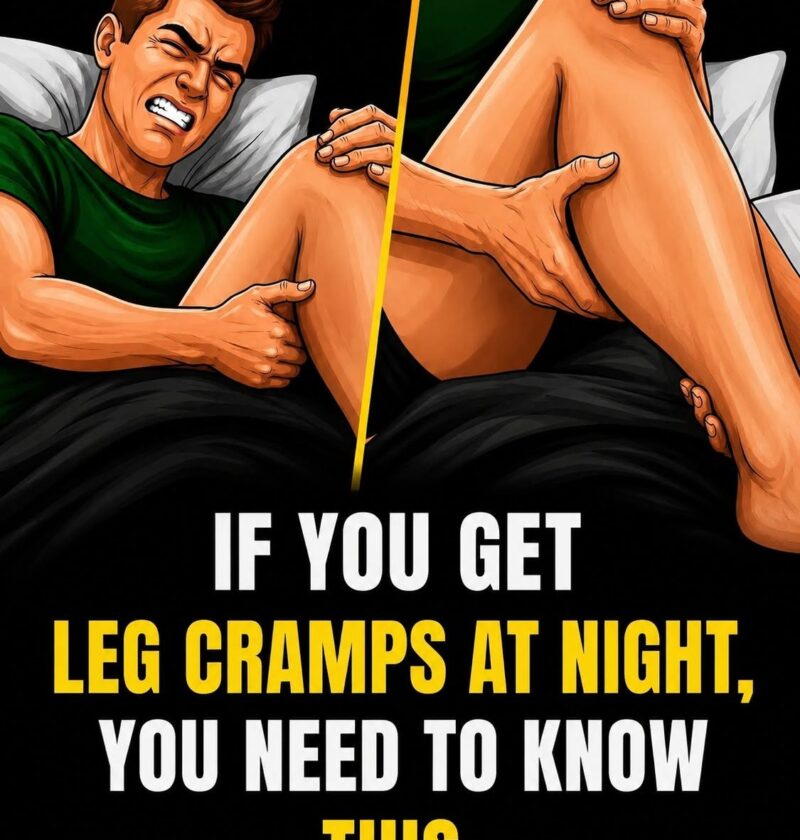
Waking up with a sudden, painful leg cramp can be frustrating and uncomfortable. These involuntary muscle contractions, often called night leg cramps, commonly affect the calves, feet, or thighs and may last from a few seconds to several minutes.
Although occasional leg cramps are usually harmless, frequent or severe episodes may be a sign that something needs attention.
What Causes Leg Cramps at Night?
There is not always one clear cause, but several factors may increase the chance of experiencing nighttime cramps.
1. Muscle Fatigue or Overuse
Overworking the muscles during the day, standing for long periods, or intense exercise can leave muscles tired and more likely to cramp at night.
2. Dehydration
Not drinking enough fluids may affect muscle function. Water helps maintain normal circulation and supports the balance of minerals needed for muscle activity.
3. Mineral Imbalances
Muscles rely on minerals such as:
- Magnesium
- Potassium
- Calcium
Low levels may contribute to muscle discomfort in some people. However, supplements should not be taken routinely without considering diet, health conditions, and medical advice.
4. Reduced Blood Flow or Nerve Problems
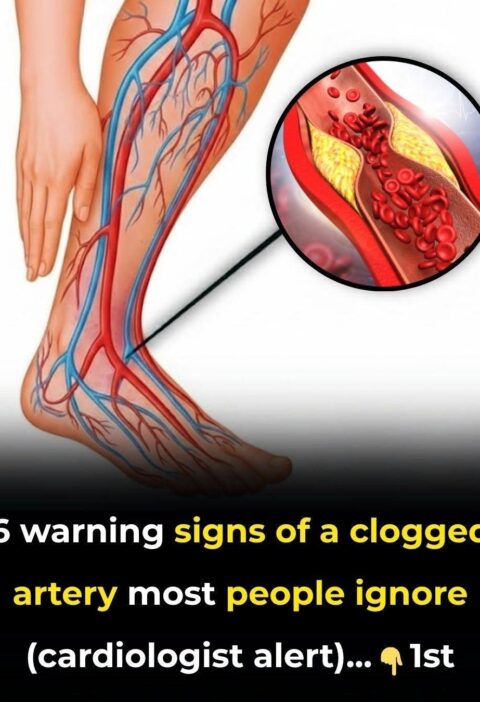
Some medical conditions that affect circulation or nerves may be associated with leg discomfort or cramping, including diabetes-related nerve changes or certain vascular problems.
5. Certain Medications
Some medicines may increase the likelihood of cramps in some individuals. If cramps begin after starting a new medication, it is worth discussing with a healthcare professional.
What Can You Do When a Leg Cramp Happens?
During a cramp, you can try:
- Gently stretching the affected muscle
- Massaging the cramped area
- Standing up and putting weight on the leg if possible
- Applying a warm compress to relax the muscle
For a calf cramp, gently pulling the toes upward toward the shin may help stretch the muscle.
How to Reduce the Risk of Night Leg Cramps
Helpful habits may include:
Stay Hydrated
Drink enough fluids throughout the day, especially if you exercise or sweat heavily.
Stretch Before Bed
Gentle calf and leg stretches before sleep may help some people reduce nighttime discomfort.
Stay Active
Regular movement supports muscle strength, flexibility, and circulation.
Wear Comfortable Footwear
Proper support during the day can reduce unnecessary strain on leg muscles.
When Should You Seek Medical Advice?
Talk to a healthcare professional if you experience:
- Frequent or severe leg cramps
- Swelling, redness, or warmth in the leg
- Muscle weakness
- Numbness or tingling
- Cramps that started after a medication change
- Persistent pain that does not improve
Sudden leg swelling and pain, especially in one leg, may require urgent medical evaluation.
Final Thoughts
Night leg cramps are common and often manageable with simple lifestyle changes, but repeated cramps should not be ignored. Staying active, maintaining hydration, stretching, and addressing possible underlying causes can help support healthier muscles and improve comfort during sleep.