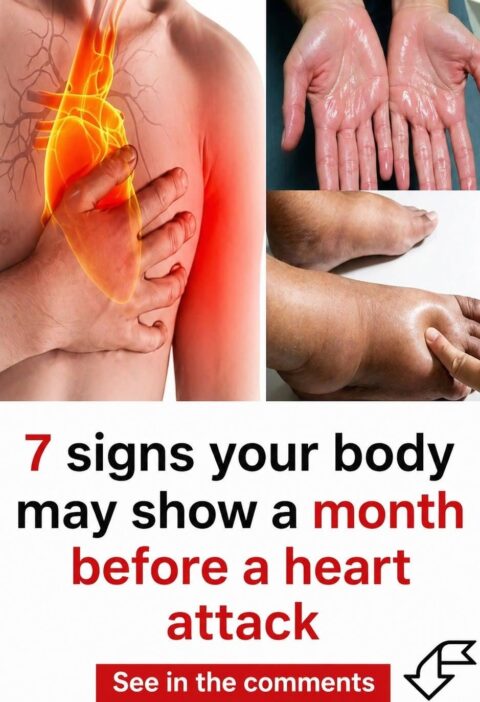
7 Warning Signs in Your Arms and Legs That Could Signal a Heart Attack
A heart attack occurs when blood flow to part of the heart muscle is blocked, preventing it from receiving enough oxygen. While chest pain is the most recognized symptom, heart attacks can also cause symptoms in the arms and, less commonly, the legs. Recognizing these warning signs and seeking prompt medical attention can save lives.
It is important to remember that symptoms vary from person to person. Some people experience intense pain, while others have milder or less typical symptoms.
1. Pain or Discomfort in One or Both Arms
Pain, pressure, tightness, or aching in the left arm is a classic symptom of a heart attack. However, discomfort can also occur in the right arm or both arms. The pain may begin in the chest and spread outward or occur on its own.
2. Numbness or Tingling in an Arm
Some people describe unusual numbness, tingling, or a “pins and needles” sensation in an arm during a heart attack. While these symptoms can have many causes, they should not be ignored if they occur with other heart attack symptoms.
3. Weakness in the Arms
Sudden or unexplained weakness in one or both arms, especially when accompanied by chest discomfort, shortness of breath, or sweating, requires immediate medical evaluation.
4. Pain That Radiates to the Shoulder, Neck, or Jaw
Heart attack pain often spreads beyond the chest. Discomfort that travels from the chest into the shoulder, arm, neck, back, or jaw is a well-known warning sign.
5. Cold, Pale, or Clammy Skin
Poor circulation during a heart attack may cause the hands or arms to feel cold, while the skin may become pale or sweaty. These symptoms often occur alongside other signs of a heart attack.
6. Unexplained Leg Weakness or Fatigue
A heart attack does not typically begin with leg symptoms alone, but some people may experience sudden weakness, fatigue, or a feeling that their legs cannot support them, particularly when combined with other warning signs.
7. Swelling or Changes in the Legs
Leg swelling is not a typical sign of a heart attack, but it can be associated with other heart conditions, such as heart failure. Persistent swelling, especially when accompanied by shortness of breath or fatigue, should be evaluated by a healthcare professional.
Other Common Heart Attack Symptoms
In addition to arm discomfort, seek emergency medical care if you experience:
- Chest pain, pressure, tightness, or heaviness
- Shortness of breath
- Pain in the jaw, neck, back, or upper abdomen
- Cold sweat
- Nausea or vomiting
- Lightheadedness or fainting
- Sudden, unexplained fatigue
Women, older adults, and people with diabetes may experience less typical symptoms, such as unusual fatigue, nausea, or shortness of breath without severe chest pain.
When to Seek Emergency Help
If you or someone else has symptoms that could indicate a heart attack, especially chest discomfort lasting more than a few minutes or recurring pain with shortness of breath, sweating, or arm pain, call your local emergency medical services immediately. Early treatment greatly improves the chances of survival and reduces damage to the heart.
Final Thoughts
Pain or discomfort in the arms can be an important warning sign of a heart attack, particularly when it occurs with chest pain, shortness of breath, or other symptoms. While leg symptoms alone are rarely caused by a heart attack, any sudden or unexplained symptoms combined with signs of a cardiac emergency should be taken seriously. Prompt medical attention can make a critical difference.