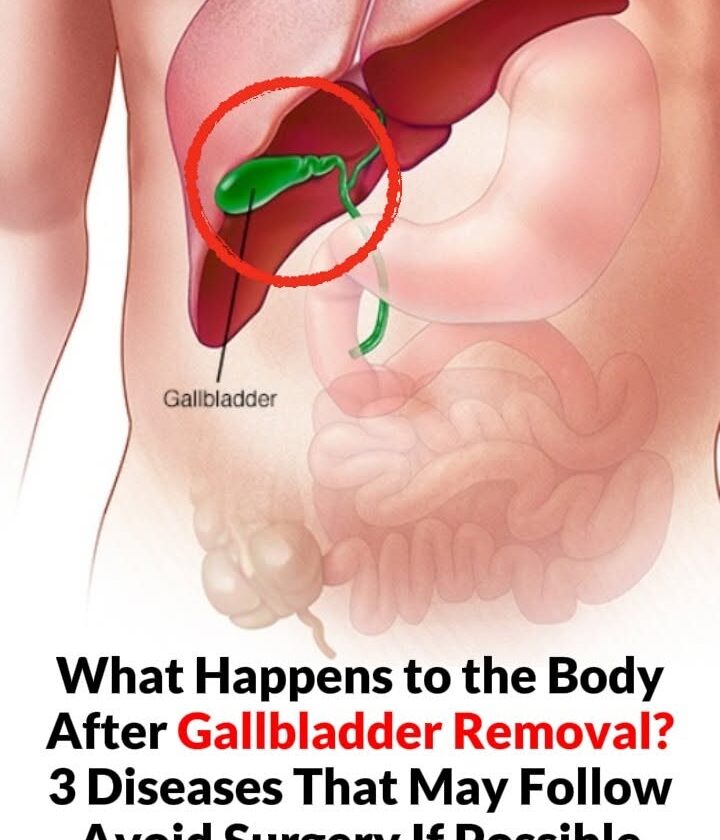
Gallbladder removal surgery (cholecystectomy) is one of the most common abdominal surgeries. The gallbladder stores bile made by the liver and releases it when needed to help digest fats. After removal, the liver continues making bile, but it flows directly into the small intestine instead of being stored.
Most people adjust well and return to normal activities, but some may notice digestive changes.
1. Bile Acid Diarrhea
After gallbladder removal, bile may enter the intestine more continuously. In some people, excess bile reaching the colon can cause:
- Loose stools
- Increased bowel movements
- Urgency after eating
This can often be managed with dietary changes or medications prescribed by a healthcare professional.
2. Digestive Discomfort and Fat Intolerance
Some people experience:
- Bloating
- Gas
- Indigestion
- Discomfort after fatty meals
Eating smaller meals and reducing very greasy foods may help during the adjustment period.
3. Bile Duct Problems (Uncommon)
Possible complications include:
- Stones that remain in or form in the bile ducts
- Inflammation or blockage of bile flow
- Rare surgical complications affecting the bile ducts
These problems are not inevitable after surgery, but they can occur.
Does Gallbladder Removal Cause Serious Diseases?
There is no strong evidence that gallbladder removal automatically causes a set of specific diseases. Many claims online suggest that surgery leads to multiple illnesses, but research generally shows that most people do well after the procedure.
Should You Avoid Gallbladder Surgery?
Not everyone with gallstones needs surgery. Doctors may recommend monitoring if gallstones are found accidentally and are not causing problems.
However, surgery may be advised when gallstones cause:
- Repeated severe pain attacks
- Gallbladder inflammation (cholecystitis)
- Infection
- Pancreatitis caused by gallstones
- Other complications
Avoiding surgery when there is a clear medical need can allow serious complications to develop.
Supporting Your Body After Gallbladder Removal
- Eat smaller meals, especially at first.
- Limit very high-fat foods if they trigger symptoms.
- Include fiber gradually.
- Maintain a healthy weight.
- Follow your doctor’s advice for follow-up care.
The decision to remove the gallbladder should be based on your symptoms, test results, and individual health risks, not fear alone. If you have been advised to have surgery, discussing the expected benefits and risks with a qualified healthcare professional can help you make an informed choice.