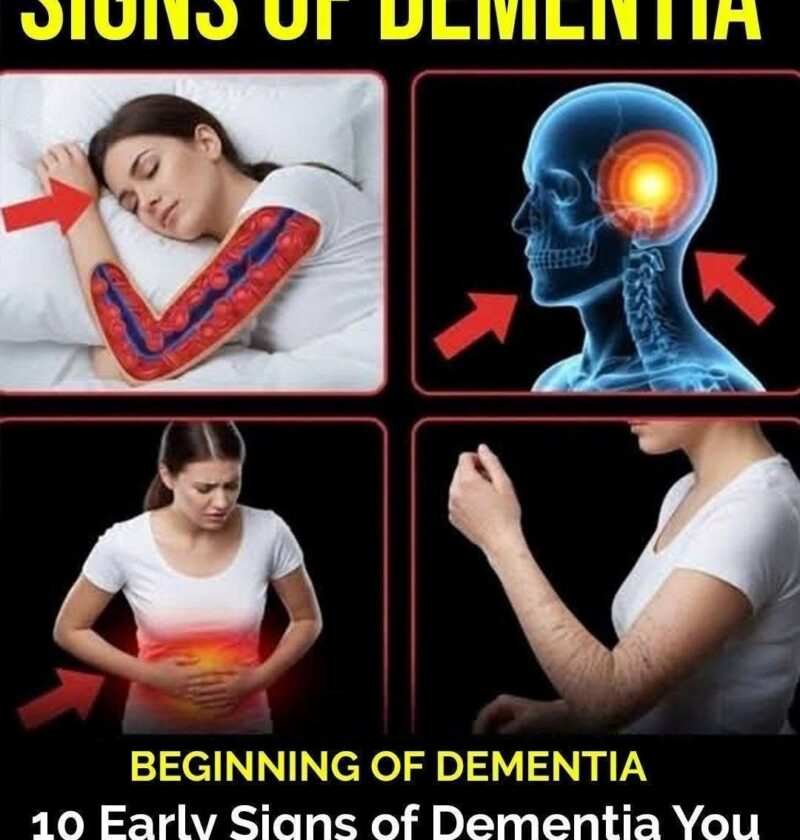
Early signs of dementia are often subtle at first and can be mistaken for normal aging or stress. The key difference is that symptoms gradually worsen and start affecting daily life.
One important condition in this area is Dementia, which is an umbrella term for conditions that affect memory, thinking, and behavior.
Early signs to notice
1. Memory changes that disrupt daily life
- Forgetting recently learned information
- Repeating the same questions
- Relying heavily on notes or family reminders
2. Difficulty planning or solving problems
- Trouble managing bills or finances
- Struggling with recipes or familiar tasks
- Slower thinking or decision-making
3. Confusion with time or place
- Losing track of dates or seasons
- Getting confused about where they are or how they got there
4. Language and communication issues
- Difficulty finding the right words
- Pausing mid-sentence frequently
- Calling things by incorrect names
5. Poor judgment or decision-making
- Unusual financial decisions
- Ignoring hygiene or safety
- Increased vulnerability to scams
6. Changes in mood or personality
- Increased irritability, anxiety, or suspicion
- Withdrawal from social activities
- Loss of interest in hobbies
What to do if you notice these signs
- Don’t assume it’s “just aging”
- Track changes over time (weeks to months)
- Encourage a medical evaluation
- Rule out other treatable causes like:
- vitamin deficiencies
- thyroid problems
- depression
- medication side effects
Why early action matters
Early diagnosis can:
- Help slow progression in some cases
- Improve quality of life
- Allow planning for care and support
- Provide access to treatments and therapies
Important context
Not all memory problems mean dementia. Stress, poor sleep, infections, and certain medications can cause similar symptoms temporarily.
Bottom line
Early signs of dementia are less about one-off forgetfulness and more about consistent, worsening changes that affect daily functioning.
If you want, I can also list the normal aging vs early dementia differences side-by-side, which helps make it easier to recognize what’s concerning and what’s not.