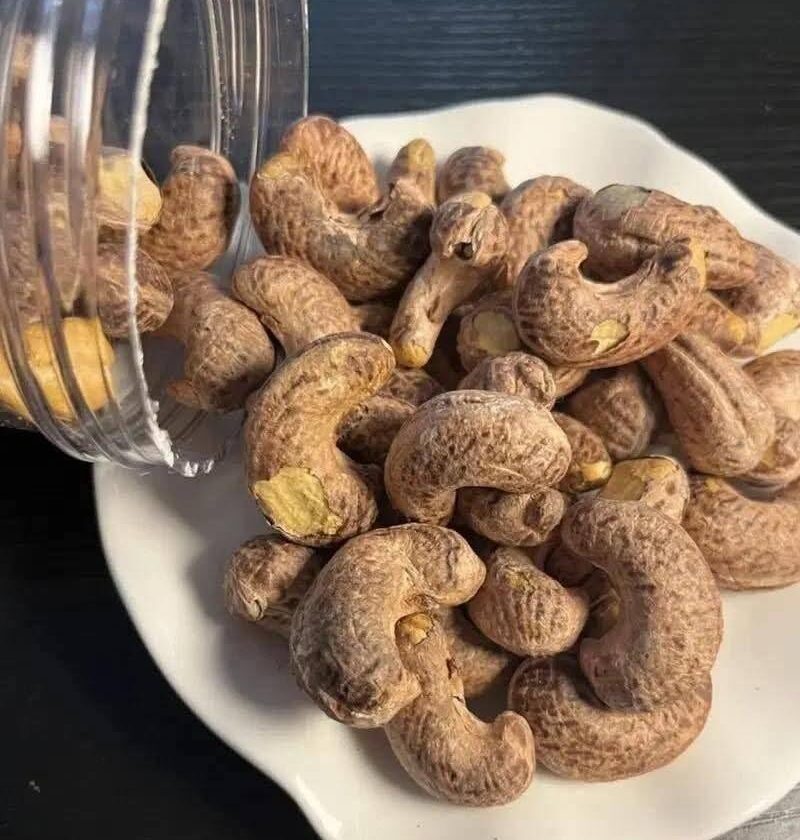
Doctors Reveal What Eating Cashew Nuts May Do to Your Body
Cashews are nutrient-rich nuts that can be part of a healthy diet for many people. Like any food, they have benefits and possible downsides depending on the person and the amount eaten.
Potential benefits of eating cashews:
🥜 1. Supports heart health
Cashews contain unsaturated fats, which can support healthy cholesterol levels when they replace less healthy fats.
🥜 2. Provides important minerals
They are a good source of nutrients such as:
- Magnesium (supports muscles and nerves)
- Copper (helps with iron metabolism and connective tissue)
- Zinc (supports immune function)
🥜 3. Helps with fullness and appetite control
The combination of protein, fiber, and healthy fats may help you feel satisfied after eating.
🥜 4. Supports bone and muscle function
Minerals like magnesium and phosphorus contribute to normal bone and muscle health.
Possible concerns:
⚠️ 1. Allergic reactions
People with tree nut allergies can have serious reactions to cashews.
⚠️ 2. High calories
Cashews are nutritious but calorie-dense, so large portions may contribute to unwanted weight gain.
⚠️ 3. Salted or flavored cashews
Some varieties contain high amounts of sodium, added oils, or sugar, which may not be ideal for people managing blood pressure or heart health.
⚠️ 4. Kidney disease considerations
People with certain kidney conditions may need to monitor minerals such as potassium and phosphorus, including those from nuts. They should follow their healthcare professional’s dietary advice.
A typical serving is about a small handful (around 1 ounce/28 grams). Choosing unsalted or lightly processed cashews is usually the healthier option.
Cashews can be a beneficial food, but they are not a cure-all, and their effects depend on your overall diet and health situation.