How to Get Rid of Muscle Soreness: Home Remedies That Really Help
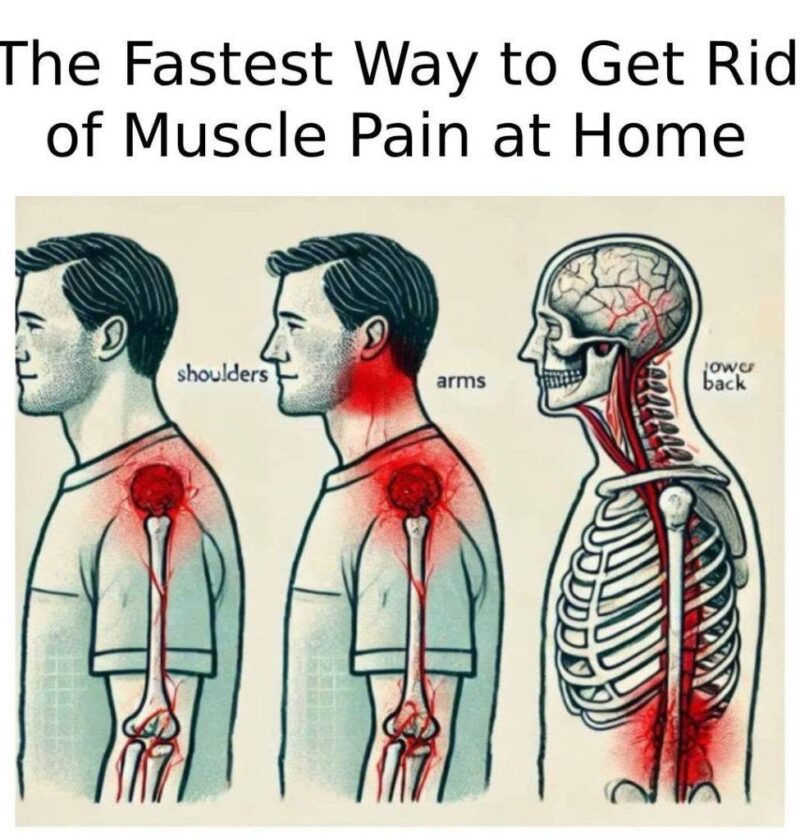
Muscle soreness after exercise—especially delayed onset muscle soreness (DOMS)—is common. It usually appears 12–48 hours after unfamiliar or intense activity and improves within a few days as your muscles recover.
While no home remedy instantly removes soreness, several strategies can reduce discomfort and help your body recover.
1. Gentle Movement
Resting completely may make stiffness worse. Light activity can increase blood flow and reduce tightness.
Try:
- Easy walking
- Gentle stretching
- Light cycling
- Mobility exercises
Avoid intense workouts that heavily stress the sore muscles until they recover.
2. Heat Therapy
Warmth can help relax tight muscles and improve comfort.
Options:
- Warm shower or bath
- Heating pad (use safely and avoid falling asleep with it)
- Warm compress
Heat is often most helpful for stiffness rather than fresh injuries.
3. Cold Therapy
Cold packs may help reduce discomfort, especially after a strenuous workout or if there is mild swelling.
- Apply for about 15–20 minutes at a time.
- Place a cloth between ice and skin to prevent irritation.
4. Massage or Foam Rolling
Gentle massage or foam rolling may reduce the feeling of soreness and improve mobility. Avoid aggressive pressure that causes pain.
5. Stay Hydrated
Fluids support normal muscle function. Dehydration can contribute to fatigue and make exercise recovery more difficult.
6. Eat Enough Protein
Muscles need protein to repair after exercise.
Good sources include:
- Eggs
- Fish
- Chicken
- Beans and lentils
- Greek yogurt
- Tofu
7. Prioritize Sleep
Sleep is one of the most important parts of recovery. During sleep, the body performs many repair processes that support muscle recovery.
Aim for:
- A consistent sleep schedule
- Enough total sleep for your needs
8. Consider Anti-Inflammatory Options Carefully
Over-the-counter pain relievers may help some people, but they are not appropriate for everyone. People with kidney disease, stomach ulcers, blood-thinning medications, or certain health conditions should ask a healthcare professional before using them.
How to Prevent Severe Muscle Soreness
- Increase exercise intensity gradually.
- Warm up before workouts.
- Use proper technique.
- Allow recovery days.
- Stay consistent with exercise rather than doing occasional extreme sessions.
When Muscle Soreness May Need Medical Attention
Seek medical advice if you have:
- Severe swelling
- Muscle weakness that is unusual or worsening
- Dark, cola-colored urine
- Severe pain after a workout
- Pain that does not improve after several days
- A suspected muscle tear or injury
Normal post-workout soreness is a sign your muscles are adapting, but severe or unusual symptoms should not be ignored.