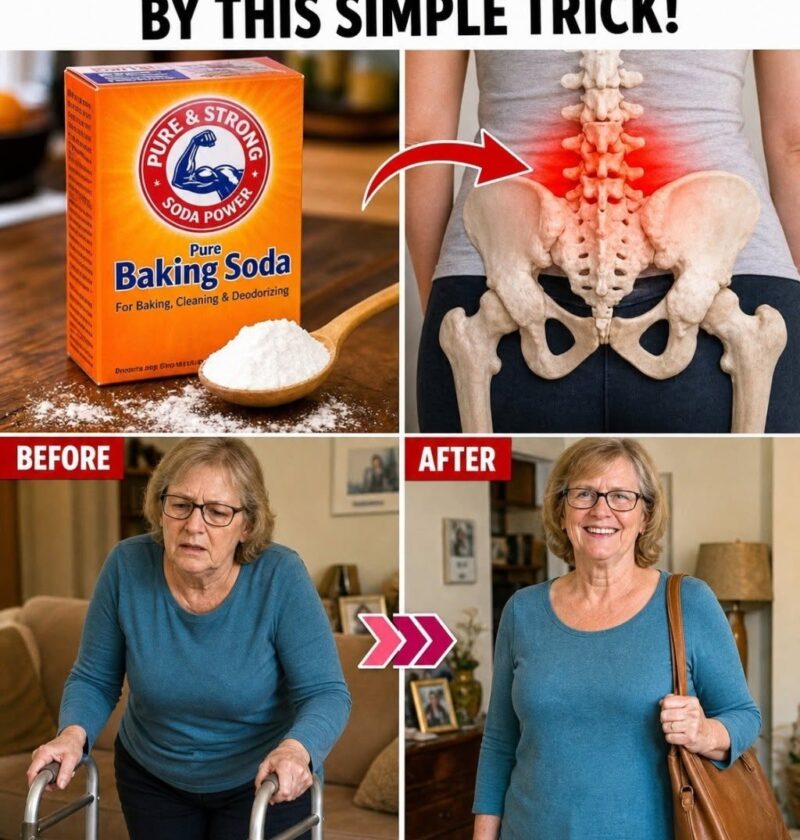
The headline “SENIORS, USE BAKING SODA THIS WAY and watch 13 health problems disappear!” is a common type of health clickbait. Baking soda (sodium bicarbonate) does have legitimate uses, but it is not a cure-all and cannot make multiple health conditions “disappear.”
Here is what the evidence actually supports:
Baking Soda: What It May Help With (and What It Won’t)
1. Occasional Heartburn Relief
Baking soda can temporarily neutralize stomach acid and may provide short-term relief from occasional heartburn.
Important: Frequent heartburn may be a sign of GERD or another condition that needs evaluation. Regularly using baking soda for reflux is not recommended without medical advice because it contains a significant amount of sodium.
2. Oral Care (With Caution)
Baking soda is sometimes used in toothpaste products because it can help neutralize acids and remove surface stains.
Avoid: Scrubbing aggressively with baking soda, which may irritate gums or wear down enamel over time.
3. Household and Skin Uses
Baking soda may help with:
- Deodorizing odors
- Some household cleaning tasks
- Soothing minor skin irritation for some people
It is not a proven treatment for infections, chronic skin diseases, or serious medical conditions.
Claims That Are Not Proven
There is no good evidence that drinking baking soda regularly can:
- “Detox” the body
- Cure arthritis
- Reverse diabetes
- Prevent cancer
- Clean out arteries
- Replace blood pressure or kidney medications
- Make aging-related diseases disappear
Seniors Should Be Especially Careful
Before using baking soda internally, talk with a healthcare professional if you have:
- High blood pressure
- Heart disease
- Kidney disease
- Fluid retention
- A sodium-restricted diet
- A history of electrolyte problems
Too much sodium bicarbonate can cause problems such as:
- Increased sodium levels
- Swelling from fluid retention
- Blood pressure increases
- Electrolyte imbalances
Bottom line: Baking soda can be useful for specific purposes, but it is not a miracle remedy for 13 health problems. For older adults, safe use depends on individual health conditions and medications.