Eating a lot of added sugar over time can affect your health, but no single symptom proves you’re eating too much sugar. Many of the signs below can also have other causes.
10 possible warning signs you may be consuming too much added sugar:
- Frequent sugar cravings
- Regularly eating sugary foods may make you want more sweet foods.
- Energy highs and crashes
- Feeling energized after sugary foods, followed by tiredness or sluggishness.
- Weight gain
- Excess calories from sugary drinks and snacks can contribute to weight gain.
- More cavities
- Sugar feeds bacteria in the mouth, increasing the risk of tooth decay.
- Frequent hunger
- Highly processed, sugary foods may leave you feeling hungry sooner than balanced meals.
- Acne or skin changes
- In some people, diets high in refined carbohydrates and added sugars may worsen acne.
- Mood changes
- Some people notice irritability or mood swings after rapid changes in blood sugar.
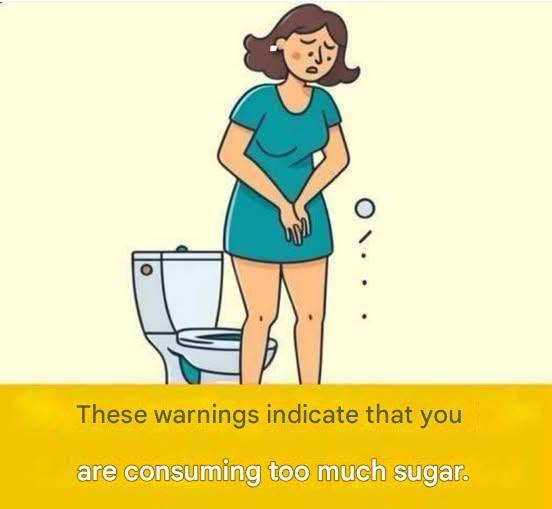
- Feeling thirsty or urinating more
- These can occur with high blood sugar, which may be related to diabetes rather than sugar intake alone.
- High blood pressure or abnormal cholesterol
- Diets high in added sugar may contribute to long-term cardiovascular risk.
- Fatty liver disease
- Consistently high intake of sugary beverages and excess calories can increase the risk of nonalcoholic fatty liver disease.
How much added sugar is recommended?
Many health organizations recommend limiting added sugars to:
- Women: No more than about 25 grams (6 teaspoons) per day.
- Men: No more than about 36 grams (9 teaspoons) per day.
These limits apply to added sugars, not the natural sugars found in whole fruits, vegetables, or plain milk.
If you’re experiencing symptoms such as increased thirst, frequent urination, unexplained weight loss, or blurred vision, it’s a good idea to speak with a healthcare professional, as these may be signs of high blood sugar or diabetes rather than simply eating too much sugar.