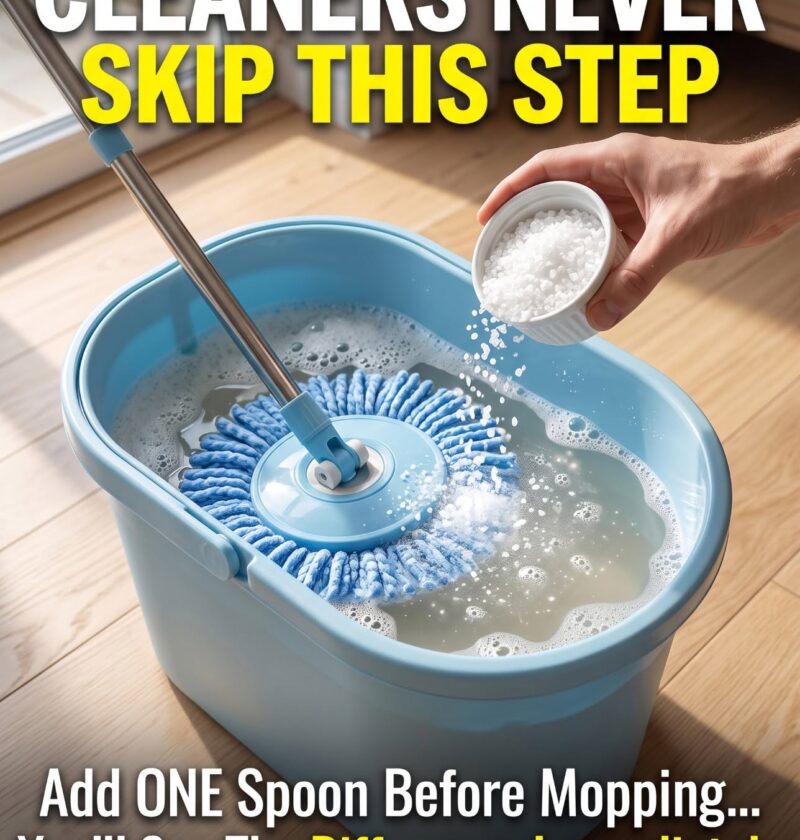
If your floor still looks dull after mopping, the problem often isn’t that it’s dirty—it’s that something is left behind on the surface. A quick two-minute test can help narrow down the cause.
The two-minute microfiber test:
- Let the floor dry completely.
- Rub a clean, dry white microfiber cloth over a 12-inch (30 cm) section using moderate pressure.
- Check both the cloth and the spot you cleaned.
Here’s what the results usually mean:
- The cloth picks up gray or brown residue: There’s still dirt or cleaning-product residue on the floor. This often happens when the mop water wasn’t changed often enough or too much cleaner was used.
- The cleaned spot looks noticeably shinier: A buildup of cleaner or grime is dulling the rest of the floor. A thorough rinse with clean water (or the cleaner recommended for your flooring) may help.
- The cloth stays clean, but the floor is still dull: The finish may be worn, scratched, or etched rather than dirty. In that case, cleaning alone won’t restore the shine.
Other common reasons floors stay dull include:
- Using too much floor cleaner or soap.
- Hard-water mineral deposits.
- Dirty mop heads that spread grime instead of removing it.
- Using the wrong cleaner for the flooring material.
- Wear and scratches from foot traffic.
The best solution depends on the type of floor:
- Tile: Remove soap or mineral residue with the appropriate cleaner, then rinse well.
- Vinyl or laminate: Use a pH-neutral cleaner sparingly and avoid leaving excess water.
- Hardwood: Use a hardwood-specific cleaner and avoid soaking the floor. If the finish is worn, refinishing—not more cleaning—may be needed.
If you tell me what type of flooring you have (hardwood, laminate, vinyl, tile, stone, etc.) and what cleaner you use, I can suggest the most likely cause and the best way to restore the shine.