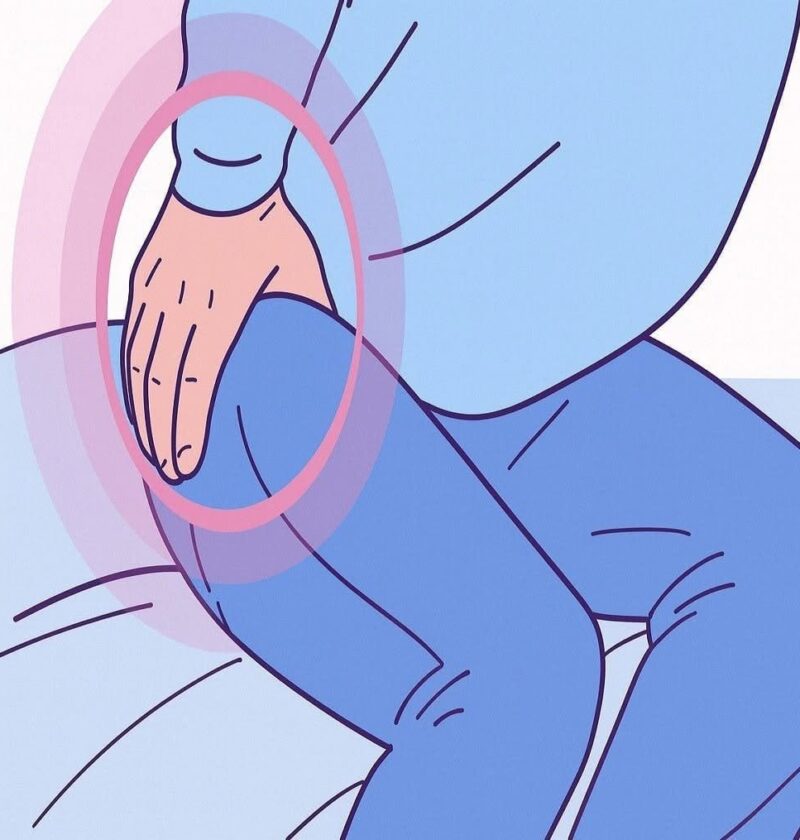
A headline like “If you have hip pain, it’s a clear sign that…” is incomplete and often used to make a condition sound more certain than it is. Hip pain is a symptom, not a diagnosis. It can come from many different causes.
Common causes of hip pain include:
- Muscle or tendon strain — often after activity, lifting, or overuse
- Bursitis — irritation of the small fluid-filled sacs that cushion the hip
- Arthritis (especially osteoarthritis) — wear-related joint changes that can cause stiffness and pain with movement
- Hip joint problems — such as cartilage or labral injuries
- Nerve-related pain — sometimes coming from the lower back and felt around the hip
- Injury or fracture — especially after a fall or in people with weaker bones
Signs that deserve medical evaluation include:
- Sudden severe hip pain or inability to put weight on the leg
- Pain after a fall or accident
- Fever, redness, or swelling around the hip
- Pain that keeps worsening or lasts more than a few weeks
- Night pain that is severe or unexplained
- Weakness, numbness, or changes in bladder/bowel control
For mild, recent hip discomfort, some people find relief from:
- Avoiding activities that clearly worsen the pain
- Gentle stretching and mobility exercises
- Ice for a new injury or inflammation, and heat for muscle stiffness
- Discussing appropriate pain relief options with a healthcare professional
If you tell me where the pain is (front of hip/groin, side of hip, buttock, or down the leg), your age, and what triggers it (walking, sitting, sleeping on that side, stairs), I can help narrow down the likely causes.