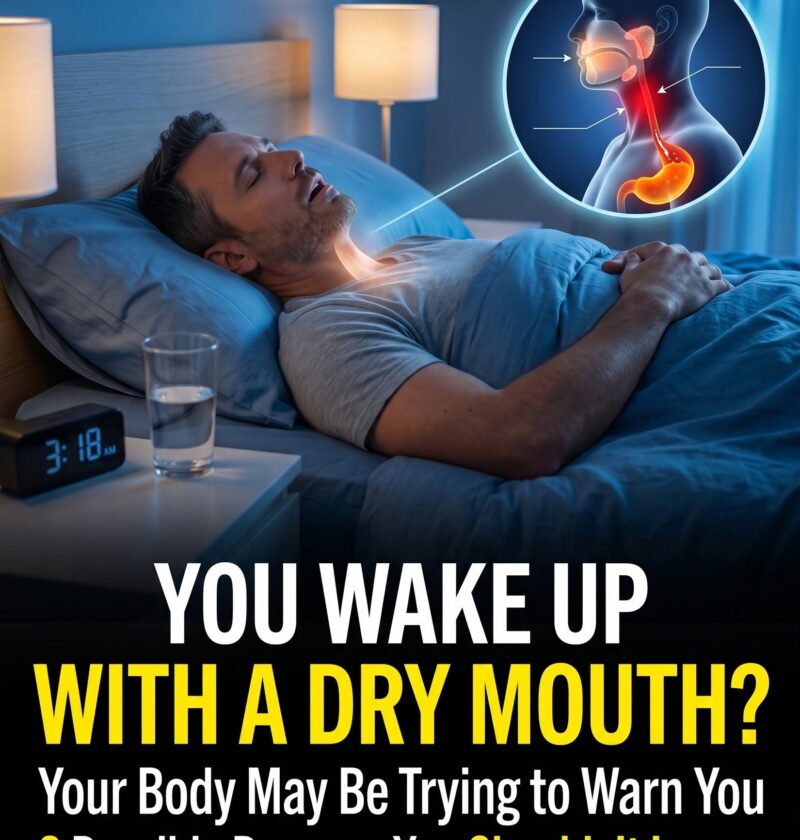
A dry mouth at night is common and often harmless, but persistent nighttime dry mouth can sometimes be a sign that something needs attention. It does not automatically mean there is a serious problem, but certain accompanying symptoms are worth checking.
8 signs linked with nighttime dry mouth that you shouldn’t ignore
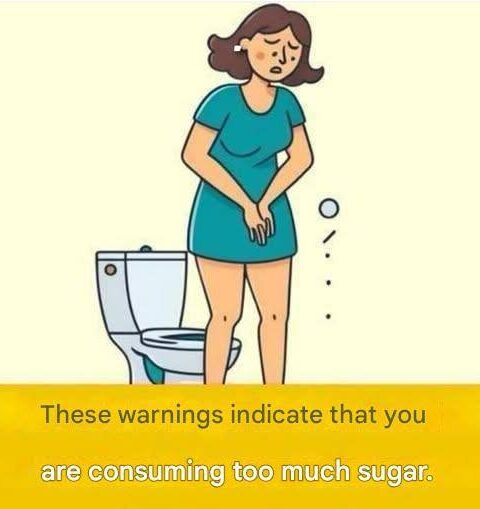
- Extreme thirst or frequent urination
- May be associated with high blood sugar or other conditions affecting fluid balance.
- Loud snoring, choking, or gasping during sleep
- Can be a sign of sleep-related breathing problems such as obstructive sleep apnea.
- Dry mouth that happens every night and persists
- Ongoing dryness can increase the risk of tooth decay, gum problems, and mouth infections.
- Difficulty swallowing or speaking because of dryness
- May indicate reduced saliva production or another underlying issue.
- Burning sensation, mouth sores, or a dry, sticky feeling
- Can occur when saliva production is significantly reduced.
- New or worsening dental problems
- Cavities, gum irritation, or bad breath can increase when saliva is lacking.
- Unexplained fatigue, headaches, or poor sleep
- May point to disrupted sleep, including possible breathing issues at night.
- Dry mouth after starting a new medication
- Many medicines, including some allergy, blood pressure, pain, and mental health medications, can reduce saliva flow.
What you can try:
- Drink enough fluids during the day.
- Use a humidifier if your bedroom air is dry.
- Treat nasal congestion to reduce mouth breathing.
- Avoid alcohol close to bedtime.
- Keep up with dental care.
Seek medical or dental advice if dry mouth is persistent, severe, or accompanied by symptoms such as excessive thirst, frequent urination, unexplained weight loss, trouble swallowing, or sleep-related breathing problems.
If you wake up with a dry mouth, tell me whether you also have snoring, a blocked nose, increased thirst, frequent urination, or take any medications—those details can help identify the likely cause.