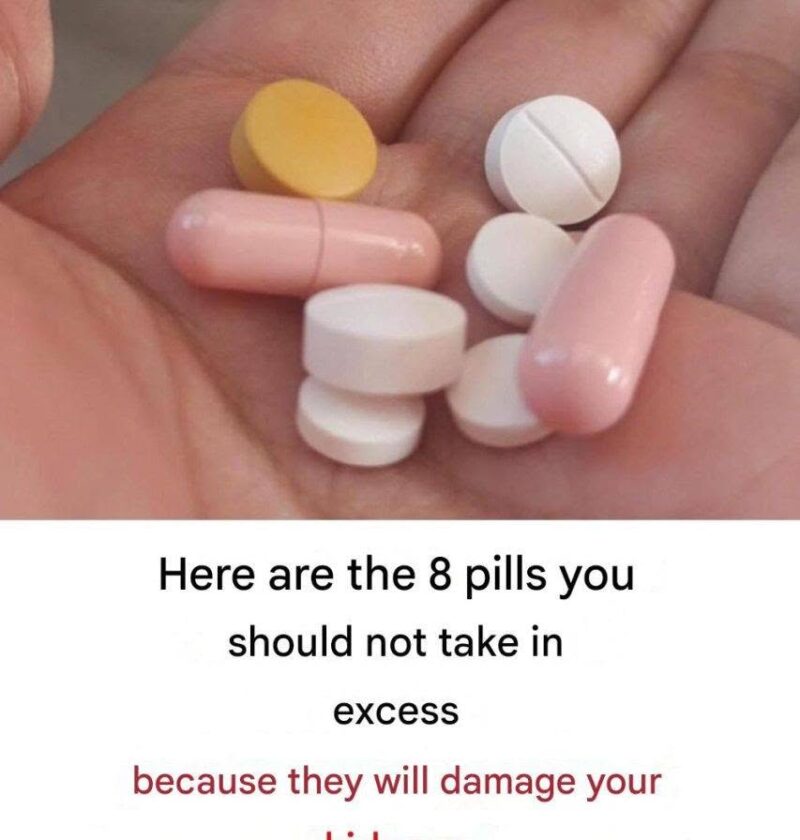
Some medications can affect the kidneys, especially if they are taken at high doses, for a long time, or by people who already have kidney disease, dehydration, or other risk factors. However, these medicines are often safe and beneficial when used as prescribed.
Here are 8 types of medicines that can potentially damage the kidneys:
- Nonsteroidal anti-inflammatory drugs (NSAIDs)
- Examples: Ibuprofen, Naproxen
- Long-term or high-dose use can reduce blood flow to the kidneys.
- Certain antibiotics
- Some antibiotics, such as aminoglycosides (e.g., gentamicin), can be harmful to the kidneys, particularly at high doses or in hospitalized patients.
- Some acid reflux medications
- Proton pump inhibitors (PPIs), such as Omeprazole, have been associated with rare cases of kidney inflammation and, in some studies, a higher risk of chronic kidney disease. The overall risk for an individual remains low.
- Certain antiviral medications
- Some drugs used to treat viral infections may require dose adjustments in people with reduced kidney function.
- Lithium
- Used to treat bipolar disorder, lithium can affect kidney function over time, so regular blood and kidney tests are important.
- Some diuretics (“water pills”)
- These can contribute to dehydration or electrolyte imbalances, which may affect kidney function if not monitored.
- Certain chemotherapy drugs
- Some cancer treatments can be toxic to the kidneys, so kidney function is closely monitored during therapy.
- High-dose or long-term use of some herbal supplements
- Certain herbal products have been linked to kidney injury or may interact with medications.
How to protect your kidneys
- Take medicines only as directed.
- Avoid combining NSAIDs with dehydration.
- Tell your healthcare provider about all prescription drugs, over-the-counter medicines, and supplements you take.
- Have your kidney function checked if you’re taking medicines that require monitoring or if you have kidney disease.
Do not stop a prescribed medication without discussing it with your healthcare provider. Many of these medicines provide important benefits, and the risks can often be reduced with the right dose and monitoring.