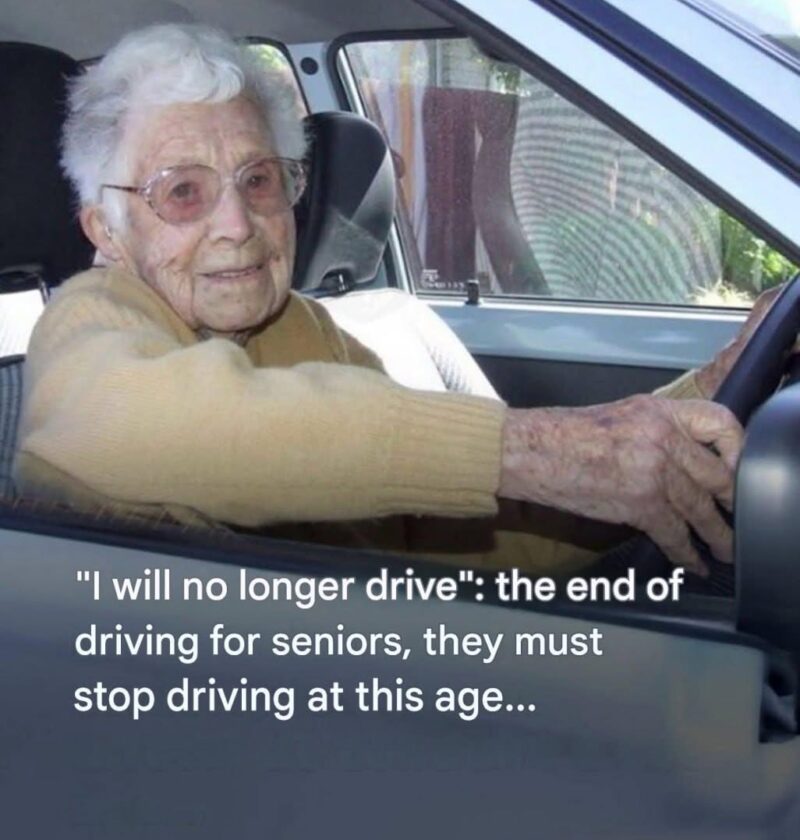
Senior Driving Licence: A Complete Guide to Obligations and Aptitude Tests for Older Drivers
Driving can remain an important part of independence as people age, but many regions have additional requirements for older drivers to help ensure that driving skills, vision, and health remain suitable for safe driving.
1. Licence Renewal Requirements for Older Drivers
Rules vary by country and region, but older drivers may be required to:
- Renew their licence more frequently than younger drivers.
- Complete a vision test.
- Provide medical information or a doctor’s assessment.
- Pass a driving assessment or knowledge test in some cases.
2. Vision and Hearing Checks
Good eyesight and awareness of sounds are important for safe driving. Assessments may check:
- Ability to read road signs.
- Peripheral vision.
- Night vision issues.
- Ability to notice emergency vehicles or traffic sounds.
3. Driving Aptitude and Fitness Tests
Some authorities use assessments to evaluate:
- Reaction time — how quickly a driver responds to hazards.
- Attention and concentration — managing multiple road conditions.
- Memory and decision-making — understanding and following traffic rules.
- Physical ability — safely controlling the vehicle.
4. Medical Conditions That May Affect Driving
Certain conditions can affect driving ability, including:
- Vision problems not corrected with glasses or lenses.
- Severe arthritis affecting vehicle control.
- Conditions that cause fainting or loss of consciousness.
- Cognitive changes that affect judgment or memory.
- Medication side effects that cause drowsiness or confusion.
Having a medical condition does not automatically mean someone cannot drive; the impact on driving ability is what matters.
5. Tips for Staying a Safe Driver as You Age
✅ Get regular eye and health checkups.
✅ Review medications with a healthcare professional.
✅ Avoid driving when tired or unwell.
✅ Consider limiting driving in difficult conditions (night, heavy rain, unfamiliar areas).
✅ Keep driving skills updated through refresher courses.
6. When to Consider Reducing or Stopping Driving
Warning signs may include:
- Frequent near-misses or minor crashes.
- Getting lost on familiar routes.
- Difficulty judging speed or distance.
- Other people expressing repeated safety concerns.
7. A Positive Approach
Age alone is not a measure of driving ability. Many older adults continue to drive safely for years. Regular self-assessment, medical care, and honest evaluation of skills can help drivers make informed decisions about staying on the road.
Important: The exact age limits, tests, and renewal rules depend on where you live. Check your local transport authority for the current requirements.