Thrombosis: What It Is, How to Recognize the Symptoms, and Reduce Your Risk
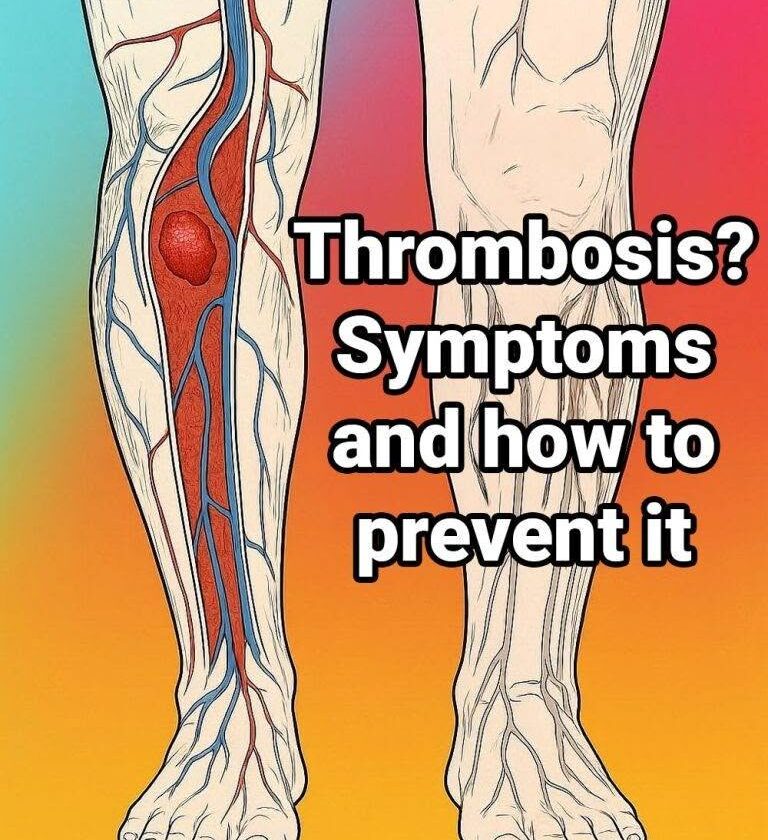
Thrombosis is the formation of a blood clot (thrombus) inside a blood vessel. If a clot blocks blood flow or travels to another part of the body, it can become a medical emergency.
Common types
- Deep vein thrombosis (DVT): A clot forms in a deep vein, usually in the leg.
- Pulmonary embolism (PE): A clot travels to the lungs, often from a DVT.
- Arterial thrombosis: A clot forms in an artery and can contribute to a heart attack or stroke.
Symptoms of DVT
- Swelling, usually in one leg
- Pain or tenderness, often in the calf
- Warmth in the affected area
- Red or discolored skin
Symptoms of a Pulmonary Embolism
🚨 Seek emergency medical care immediately if you have:
- Sudden shortness of breath
- Chest pain that may worsen with deep breathing
- Rapid heartbeat
- Coughing up blood
- Fainting or feeling lightheaded
Risk factors
- Long periods of sitting or bed rest
- Recent surgery or major injury
- Pregnancy and the weeks after childbirth
- Smoking
- Obesity
- Cancer
- Some inherited clotting disorders
- Estrogen-containing birth control or hormone therapy
- Increasing age
Ways to reduce your risk
✅ Stay physically active.
✅ Get up and move during long trips or prolonged sitting.
✅ Stay hydrated.
✅ Maintain a healthy weight.
✅ Avoid smoking.
✅ Follow your healthcare provider’s advice if you’re at increased risk, especially after surgery or during hospitalization.
There is no natural remedy proven to prevent thrombosis on its own. If your doctor has prescribed blood-thinning medication or other preventive treatment, it is important to take it as directed.
When to seek medical attention
Contact a healthcare professional promptly if you develop symptoms of DVT, and seek emergency care immediately if you have symptoms of a pulmonary embolism or stroke. Early diagnosis and treatment can be lifesaving.