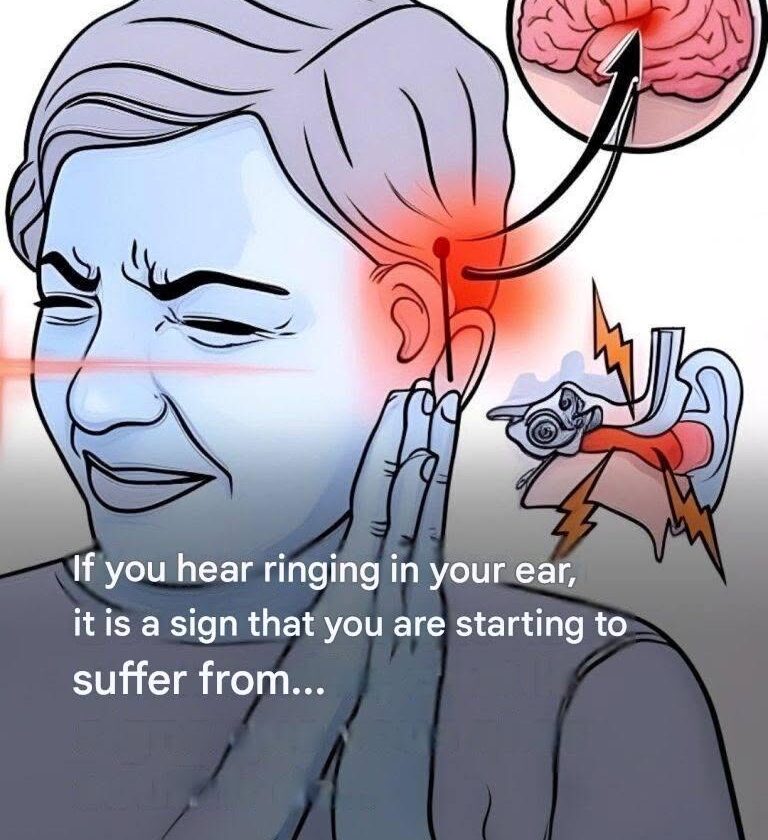
The headline “Ringing in Your Ears: Your Body’s Surprising Explanation” refers to tinnitus—the perception of ringing, buzzing, hissing, or other sounds when there is no external source. While tinnitus can sometimes signal an underlying condition, there is usually no single surprising explanation.
Common causes include:
- Age-related hearing loss
- Exposure to loud noise (such as concerts, machinery, or headphones at high volume)
- Earwax buildup
- Ear infections
- Certain medications (some antibiotics, high doses of aspirin, some chemotherapy drugs, and others)
- Temporomandibular joint (TMJ) disorders
- High blood pressure or other circulatory problems in some cases
What tinnitus sounds like
People describe it as:
- Ringing
- Buzzing
- Hissing
- Roaring
- Clicking
- Whistling
It may affect one or both ears and can be constant or intermittent.
When to seek medical attention
Arrange a medical evaluation if tinnitus:
- Starts suddenly
- Affects only one ear
- Occurs with hearing loss, dizziness, or balance problems
- Is accompanied by ear pain or discharge
- Pulses in time with your heartbeat (pulsatile tinnitus)
What may help
- Treating earwax or infections if present
- Protecting your hearing from loud noise
- Managing stress, which can make tinnitus more noticeable
- Using hearing aids if hearing loss is contributing
- Sound therapy or cognitive behavioral therapy, which can help some people cope with persistent tinnitus
Tinnitus itself is a symptom rather than a disease. If it is persistent or bothersome, an evaluation can help identify whether there is an underlying cause that can be treated.