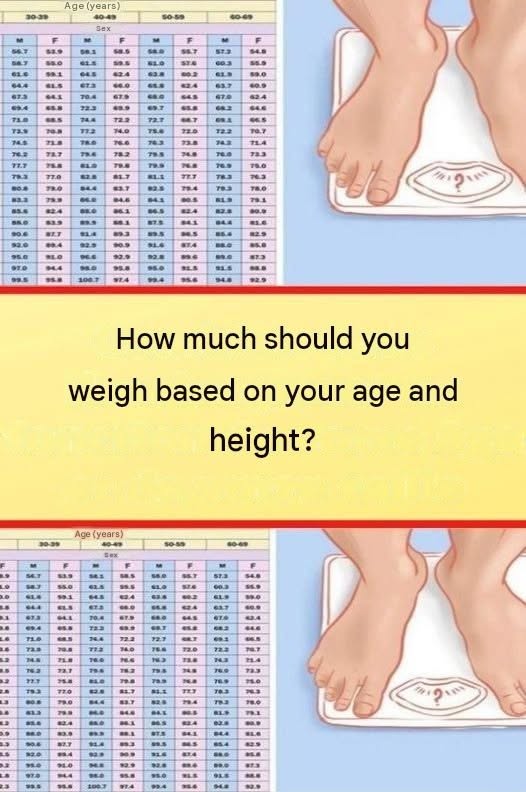
“Of course! The ‘ideal’ weight varies depending on several factors: height, age, sex, muscle mass, and body type. However, a general estimate can be given using BMI (Body Mass Index), which is a standard method.”
is a common explanation of healthy weight ranges. BMI can be a useful screening tool, but it does not measure body fat directly and does not account well for factors like muscle mass, body shape, or overall health.
BMI categories for adults
BMI is calculated using height and weight:
- Underweight: Below 18.5
- Healthy range: 18.5–24.9
- Overweight: 25–29.9
- Obesity: 30 or higher
Example: approximate healthy weight ranges by height
| Height | Approximate healthy weight range* |
|---|---|
| 5’0″ (152 cm) | 95–128 lb (43–58 kg) |
| 5’3″ (160 cm) | 107–141 lb (49–64 kg) |
| 5’6″ (168 cm) | 118–154 lb (54–70 kg) |
| 5’9″ (175 cm) | 125–169 lb (57–77 kg) |
| 6’0″ (183 cm) | 140–184 lb (64–83 kg) |
*Based on the BMI “healthy” range and intended as a general guide.
Why BMI isn’t the whole picture
Two people with the same BMI can have very different health profiles:
- A muscular person may have a higher BMI but low body fat.
- An older adult with low muscle mass may have a “normal” BMI but still have health risks.
Other useful measures include:
- Waist circumference
- Muscle strength and fitness
- Blood pressure
- Blood sugar and cholesterol levels
- Overall diet and activity level
For a more personalized estimate, you would need your height, age, sex, and current weight (and ideally some information about activity level and muscle build).