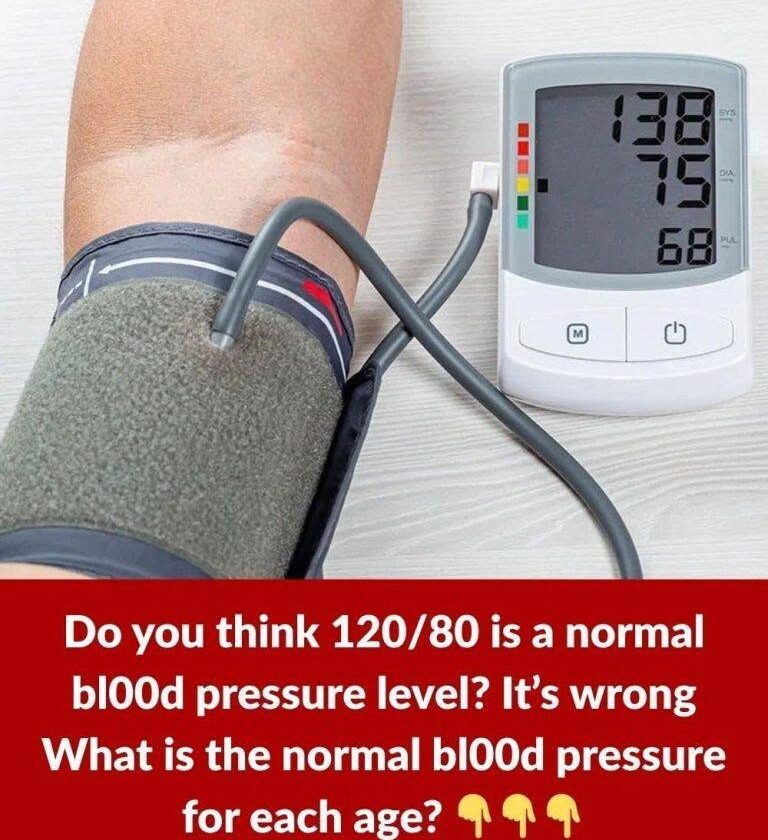
The idea that there is one “normal blood pressure” number for each age is a common misconception. Blood pressure does tend to rise with age, but healthy targets are not simply determined by age alone. They also depend on your overall health, medical conditions, medications, and cardiovascular risk.
A general guide for adults:
| Age group | Common healthy range (approx.) |
|---|---|
| 18–39 years | Around 90/60 to under 120/80 mmHg is often considered healthy |
| 40–59 years | Around under 120/80 mmHg is generally considered ideal; some people may have higher readings that need evaluation |
| 60+ years | Many guidelines still aim for around 120–130 systolic (top number) for many adults, but targets are individualized |
Blood pressure categories (adults)
- Normal: Less than 120/80 mmHg
- Elevated: 120–129 systolic and less than 80 diastolic
- High blood pressure (Stage 1): 130–139 systolic or 80–89 diastolic
- Stage 2: 140+ systolic or 90+ diastolic
A single high reading does not always mean hypertension. Blood pressure can temporarily rise due to stress, pain, caffeine, exercise, illness, or an inaccurate measurement.
For a more accurate reading:
- Rest quietly for 5 minutes before measuring.
- Sit with your back supported and feet flat on the floor.
- Keep your arm supported at heart level.
- Take multiple readings on different days if possible.
If you share your age, blood pressure reading (for example 145/90), and whether you take blood pressure medicine, I can help interpret what it means.