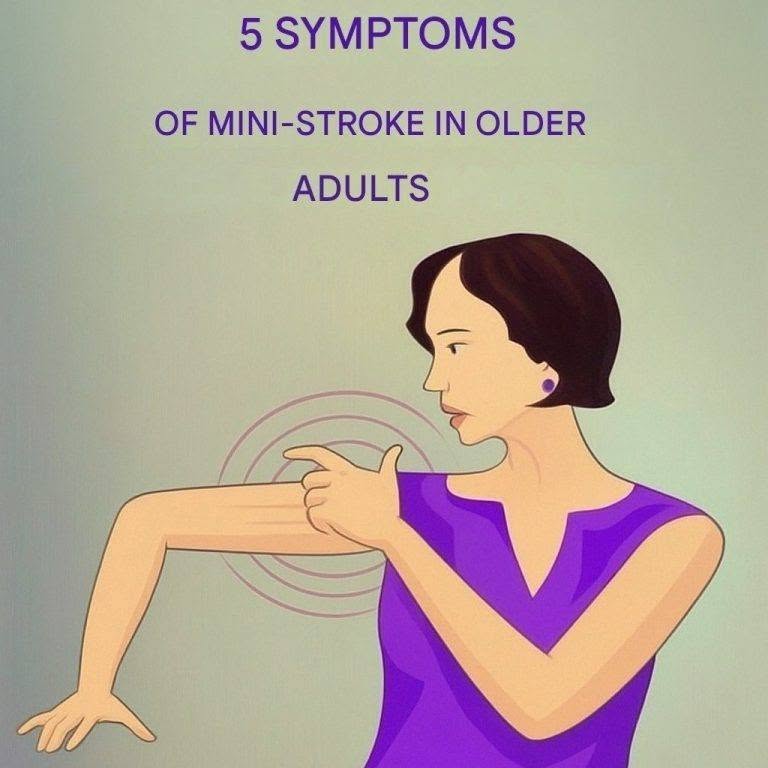
A mini-stroke, formally called a transient ischemic attack (TIA), is a temporary interruption of blood flow to part of the brain. Its symptoms usually resolve within minutes to hours, but it is a medical emergency because it can be a warning sign that a full stroke may occur soon.
Five important symptoms that shouldn’t be ignored include:
- Sudden weakness or numbness in the face, arm, or leg, especially on one side of the body.
- Sudden difficulty speaking or understanding what others are saying, including slurred speech.
- Sudden vision changes, such as blurred vision or loss of vision in one or both eyes.
- Sudden dizziness, loss of balance, or trouble walking, particularly if it starts abruptly.
- Sudden severe headache with no obvious cause, especially if it’s different from your usual headaches.
Even if these symptoms disappear quickly, it’s important to seek emergency medical care immediately. A TIA often leaves no lasting symptoms, but it can precede a major stroke within hours or days.
A simple way to remember the most common warning signs is FAST:
- Face drooping
- Arm weakness
- Speech difficulty
- Time to call emergency services immediately
Older adults are at higher risk of both TIAs and strokes, especially if they have high blood pressure, diabetes, high cholesterol, an irregular heartbeat such as atrial fibrillation, or a history of smoking.
The key message is that any sudden neurological symptom—even if it goes away—is an emergency and should be evaluated right away. Prompt treatment can reduce the risk of a more serious stroke.