If Your Veins Are Visible, It Means You Are…? Here’s What It Really Means
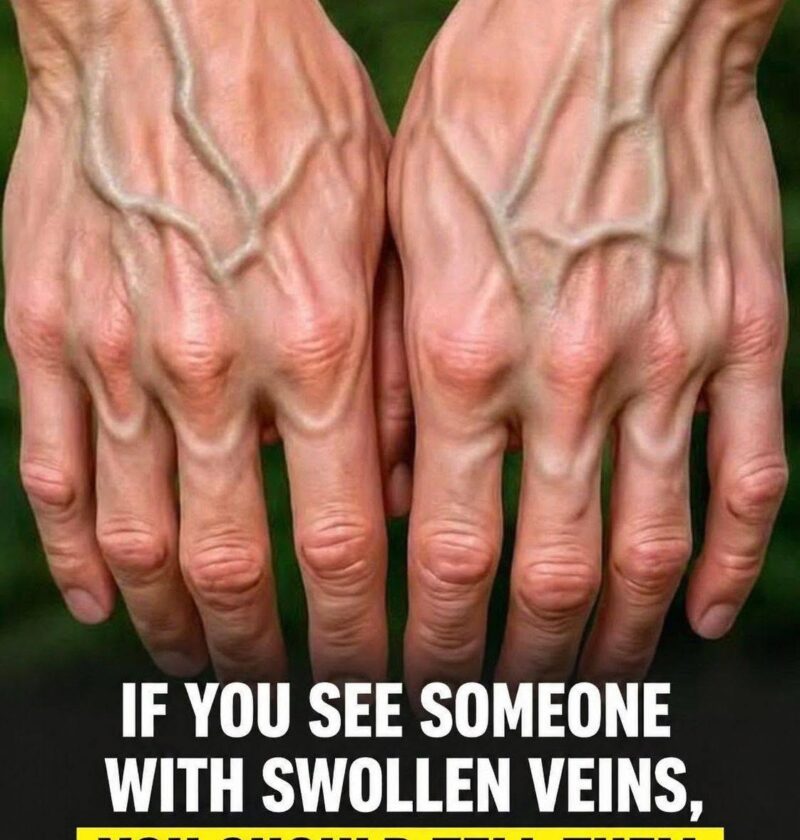
Seeing visible veins on your hands, arms, legs, or other parts of your body is common, but many people wonder whether it says something about their health, fitness, or age. The truth is that visible veins can happen for many different reasons, and they are not automatically a sign of a problem.
1. You May Have Lower Body Fat
One of the most common reasons veins become more noticeable is having less fat beneath the skin. With a thinner layer of subcutaneous fat, veins sit closer to the surface and become easier to see.
This is why athletes, runners, and people who do strength training often have more visible veins.
2. You May Be More Muscular
Building muscle can make veins stand out because larger muscles push veins closer to the skin’s surface. Increased blood flow during exercise can also temporarily make veins appear more prominent.
3. You Could Be Dehydrated
When your body has less water, your skin and tissues can appear slightly tighter, making veins more noticeable. Dehydration may also make veins look more prominent after exercise or in hot weather.
4. It May Be Due to Ageing
As we age:
- Skin becomes thinner.
- Collagen levels decrease.
- The protective fatty layer under the skin may reduce.
These changes can make veins, especially on the hands and arms, appear more visible.
5. Heat Can Make Veins More Visible
Warm temperatures cause blood vessels to expand to help regulate body temperature. After a hot shower, exercise session, or being outdoors in heat, veins may temporarily look larger.
6. Genetics Play a Role
Some people naturally have more visible veins because of inherited factors, including:
- Skin thickness.
- Vein size.
- Body composition.
- Where fat is stored.
When Visible Veins May Need Attention
Visible veins are usually harmless, but you should seek medical advice if you notice:
- A vein that suddenly becomes swollen, hard, painful, or tender.
- Redness or warmth around a vein.
- A new bulging vein accompanied by swelling in an arm or leg.
- Skin colour changes or persistent discomfort.
These signs can sometimes indicate circulation problems, such as inflammation of a vein or a blood clot, and should be checked by a healthcare professional.