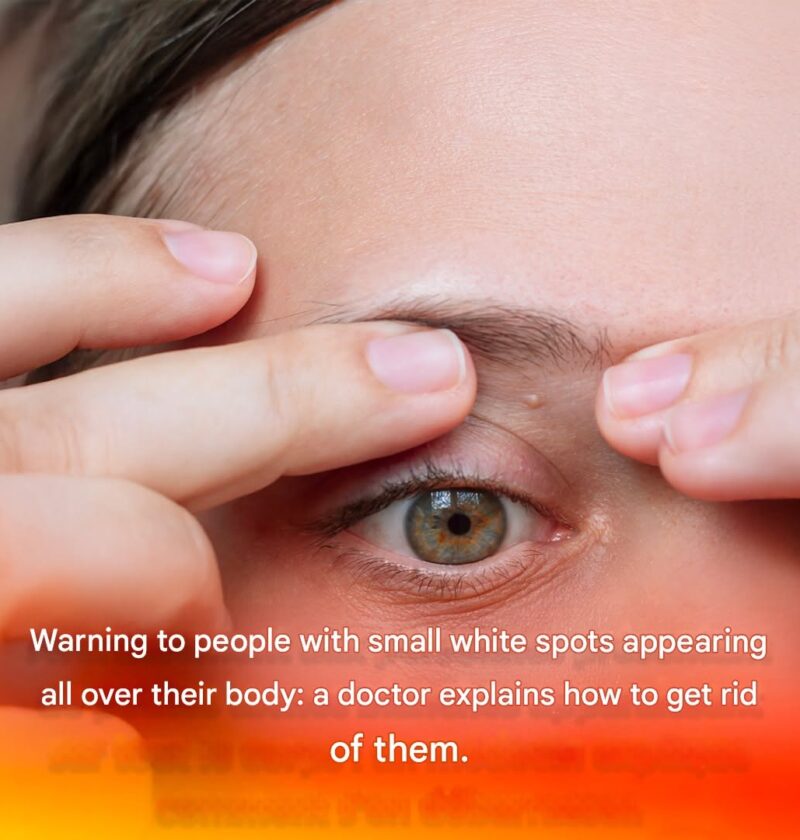
What those white spots might be
One of the most common causes is a fungal skin infection called Tinea versicolor. It often shows up as small, pale or slightly scaly patches on the chest, back, shoulders, or arms. It becomes more visible after sun exposure because the affected skin doesn’t tan normally.
Another possibility is Vitiligo, a condition where pigment-producing cells stop working. These patches are usually smooth, not itchy or scaly, and tend to gradually expand over time.
Less commonly, white spots can also be caused by:
- sun damage or dryness (especially in children and young adults)
- post-inflammatory changes after acne, eczema, or minor injuries
- nutritional deficiencies (rare, but sometimes linked to broader symptoms)
When to take it seriously
You should get checked by a dermatologist if:
- the spots are spreading quickly
- they become more noticeable over weeks or months
- there is no itching or scaling but clear loss of pigment (possible vitiligo)
- over-the-counter antifungal creams don’t help
A skin specialist can usually diagnose the cause just by examining the skin, sometimes using a simple lamp test or skin scraping.
How they are treated
If it’s tinea versicolor, treatment is usually simple and effective:
- antifungal creams or medicated shampoos
- sometimes oral antifungal medication for stubborn cases
- keeping skin dry and managing sweating helps prevent recurrence
If it’s vitiligo, treatment is more long-term:
- medicated creams that reduce immune activity in the skin
- light therapy in some cases
- cosmetic camouflage or skin care strategies
There is no instant “cure,” but many cases can be controlled or improved.
Important reality check
Despite alarming social media posts, most white spot conditions are not dangerous or contagious. The main issue is often cosmetic or related to skin balance rather than serious internal disease.
Still, self-diagnosing can be misleading because fungal infections and pigment disorders can look similar at first glance.
Bottom line
If you notice small white spots spreading on your body, don’t panic—but don’t ignore them either. A quick visit to a dermatologist can usually identify the cause and start the right treatment early, which makes a big difference.
If you want, you can describe your spots (itchy or not, where they are, how long they’ve been there), and I can help narrow down what it sounds like.