Why Do the Tips of Herbaceous Plants Turn Brown?
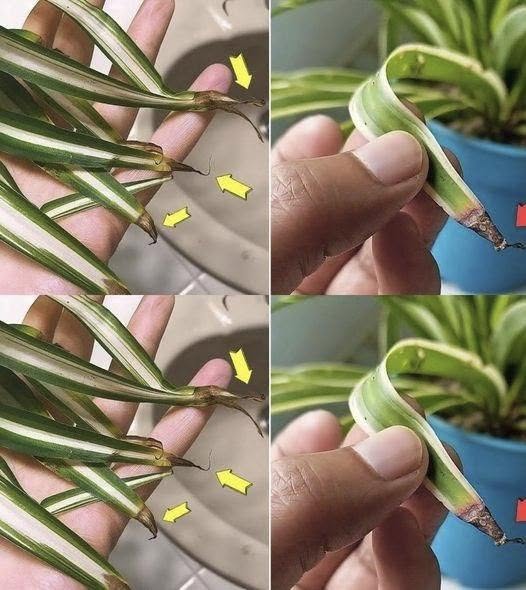
Brown tips on herbaceous plants (soft-stemmed plants such as herbs, houseplants, and many garden perennials) are a common problem. It usually means the plant is under stress, but the cause can vary. The brown, dry edges are often a sign that the leaf cells at the tips are dying because they are not receiving the right balance of water, nutrients, or environmental conditions.
Here are the most common reasons.
1. Underwatering or Irregular Watering
When a plant does not get enough water, the leaf tips are often the first parts to suffer.
Signs:
- Brown, crispy leaf tips
- Drooping leaves
- Dry soil pulling away from the pot edges
- Leaves becoming brittle
What to do:
- Water deeply when the top layer of soil feels dry.
- Avoid letting plants repeatedly dry out completely.
- Use a pot with drainage holes to prevent root problems.
2. Overwatering and Root Problems
Surprisingly, too much water can also cause brown tips. When roots sit in constantly wet soil, they may struggle to absorb oxygen and can begin to rot.
Signs:
- Brown tips with yellowing leaves
- Soft or wilting stems
- Wet soil that stays damp for a long time
- A musty smell from the soil
What to do:
- Allow the soil to dry slightly between waterings.
- Improve drainage.
- Remove damaged roots if root rot is suspected.
3. Low Humidity or Dry Air
Many herbaceous plants prefer moderate humidity. Dry indoor air, heating systems, or air conditioning can cause moisture loss from leaves.
Signs:
- Brown, dry edges
- Leaf curling
- Crispy texture
What to do:
- Increase humidity around the plant.
- Group plants together.
- Keep plants away from direct heat sources.
4. Too Much Fertiliser
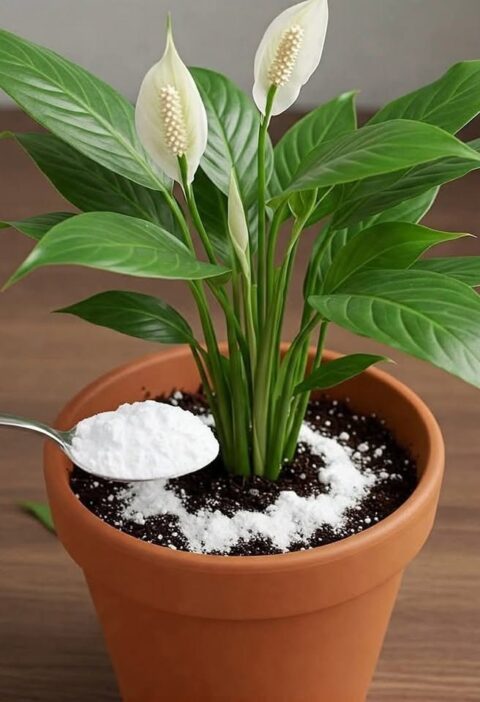
Excess fertiliser can create a buildup of salts in the soil, which damages roots and causes leaf tips to burn.
Signs:
- Brown tips with a dry, scorched appearance
- White crust on the soil surface
- Problems appearing after feeding
What to do:
- Reduce fertiliser use.
- Flush the soil occasionally with clean water.
- Follow the recommended feeding instructions.
5. Poor Water Quality
Some plants are sensitive to minerals or chemicals in tap water, such as fluoride, chlorine, or high salt levels.
Possible solutions:
- Use filtered water or rainwater if available.
- Let tap water sit before watering (where appropriate).
- Check whether your plant species is sensitive to water quality.
6. Too Much Direct Sunlight
Strong sunlight can scorch leaves, especially plants that prefer indirect light.
Signs:
- Brown patches or burnt tips
- Faded leaves
- Damage on the side facing the sun
What to do:
- Move the plant to a location with suitable light.
- Provide shade during intense afternoon sun.
7. Nutrient Deficiencies
A lack of certain nutrients can sometimes cause browning.
For example:
- Potassium deficiency may cause browning around leaf edges.
- Calcium issues can affect new growth.
However, nutrient problems are often confused with watering or environmental issues, so check those first.
How to Fix Brown Tips
- Check the soil moisture before watering.
- Review your watering routine.
- Move the plant if it is getting too much sun or heat.
- Reduce fertiliser if you may be overfeeding.
- Trim brown tips with clean scissors if desired.
Cutting off brown areas will improve appearance, but it will not fix the underlying cause.