8 Fruits That May Support Healthy Blood Flow — But Don’t “Dissolve” Blood Clots
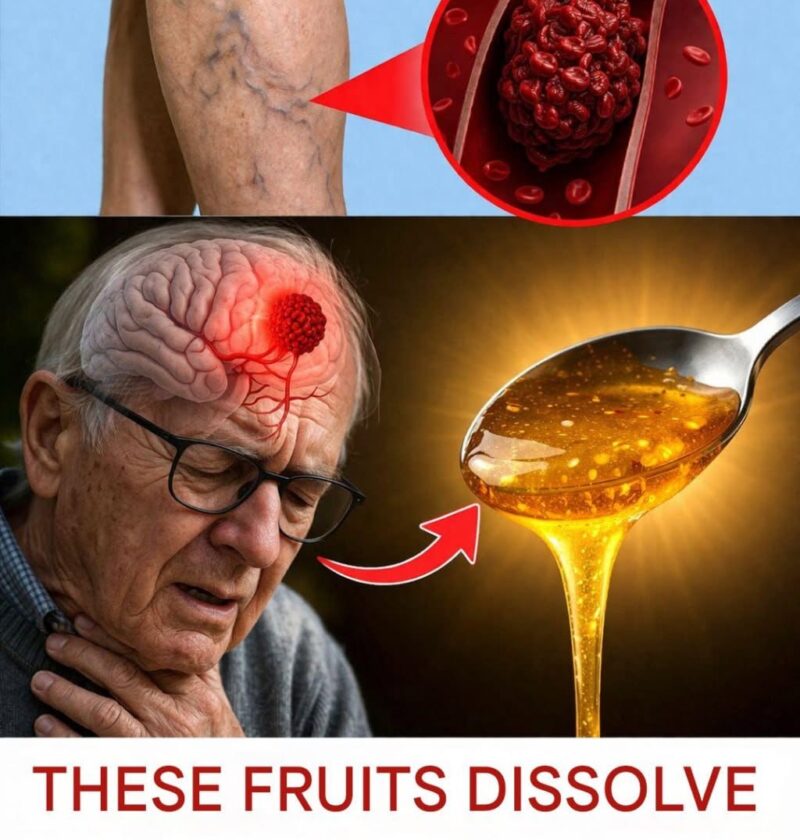
The claim that certain fruits can “naturally dissolve blood clots” is misleading. No fruit can dissolve an existing dangerous blood clot in the body. Conditions like deep vein thrombosis (DVT), pulmonary embolism, or stroke-related clots require medical evaluation and, when needed, medications or procedures.
However, many fruits contain nutrients and plant compounds that may support cardiovascular health, reduce inflammation, and contribute to healthier blood vessels as part of an overall balanced diet.
1. Berries (blueberries, strawberries, raspberries)
- Rich in polyphenols and antioxidants.
- May support blood vessel health and help reduce oxidative stress.
2. Pomegranates
- Contain antioxidant compounds that may support circulation and blood vessel function.
3. Citrus fruits (oranges, grapefruit, lemons)
- High in vitamin C and plant compounds called flavonoids.
- Support healthy blood vessels and connective tissue.
4. Grapes
- Contain polyphenols such as resveratrol, which have been studied for possible cardiovascular benefits.
5. Kiwi
- Provides vitamin C, fiber, and antioxidants that support overall heart health.
6. Apples
- Provide fiber (including pectin) and plant compounds associated with healthier cholesterol levels.
7. Avocado (technically a fruit)
- Contains healthy unsaturated fats and potassium, which support heart health and blood pressure control.
8. Watermelon
- Provides hydration and contains compounds such as lycopene that may support cardiovascular health.
What actually helps reduce the risk of harmful clots?
- Regular physical activity
- Maintaining a healthy weight
- Not smoking
- Managing blood pressure, diabetes, and cholesterol
- Staying hydrated
- Following prescribed medications (such as blood thinners) when medically indicated
Seek urgent medical care for possible clot symptoms:
- Sudden swelling, pain, warmth, or redness in one leg
- Sudden shortness of breath or chest pain
- Coughing up blood
- Sudden weakness, facial drooping, or trouble speaking
Eating fruit is a valuable part of a heart-healthy diet, but it should be viewed as supportive prevention—not a treatment for existing blood clots.