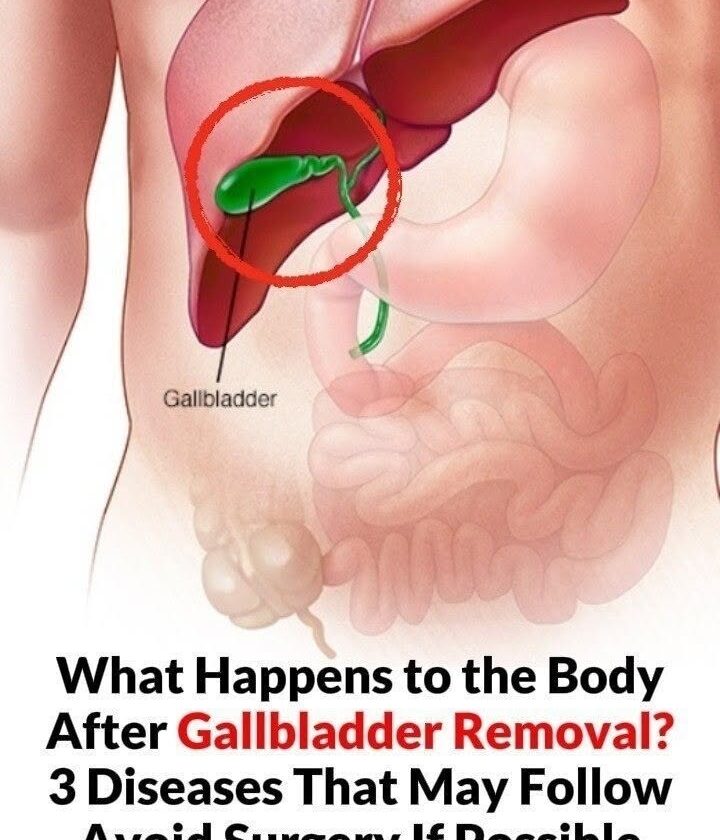
Gallbladder removal surgery (called Cholecystectomy) is a very common operation, usually done to treat painful gallstones or gallbladder inflammation. Despite some viral claims online saying “you should avoid it when possible,” this surgery is often medically necessary and life-improving for many people.
However, like any surgery, it can have side effects in a small number of patients.
First, is gallbladder removal something to “avoid”?
The idea that you should generally avoid gallbladder surgery is misleading.
Doctors recommend Cholecystectomy when:
- Gallstones cause repeated pain or infections
- There is inflammation (cholecystitis)
- There is blockage of bile flow
- There is risk of complications (like pancreatitis)
If untreated, these conditions can become dangerous or even life-threatening.
So the decision is not “avoid vs do,” but rather:
Is surgery safer than leaving the condition untreated?
In many cases, surgery is the safer option.
3 Conditions that can occur after gallbladder removal
Most people live normally without a gallbladder, but a small percentage may experience the following:
1. Post-cholecystectomy diarrhea
After removal, bile flows continuously into the intestines instead of being stored.
This can lead to:
- Loose stools
- Frequent bowel movements
- Urgency after eating fatty foods
In most cases, it improves over time or can be managed with diet changes or medication.
2. Bile reflux or indigestion
Without the gallbladder’s storage function, bile can sometimes irritate the stomach.
Possible symptoms:
- Burning in the upper abdomen
- Nausea
- Bloating
- Acid-like discomfort
This is less common and usually treatable.
3. Sphincter of Oddi dysfunction (rare)
This is a less common condition where the valve controlling bile flow becomes tight or irregular.
It may cause:
- Upper abdominal pain
- Pain after eating
- Nausea or discomfort
It is uncommon but can occur after gallbladder removal in some patients.
Important reality check
While these conditions are possible, it is important to understand:
- Most people do not develop serious long-term problems
- Many symptoms are mild and manageable
- Surgery often removes severe pain and prevents dangerous complications
In fact, for many patients, life improves significantly after surgery.
Why misleading posts spread
Claims like “avoid gallbladder surgery” often spread because:
- They focus on rare side effects
- They ignore the dangers of untreated gallbladder disease
- They promote fear-based messaging
This can cause people to delay treatment, which may lead to emergencies like infection or pancreatitis.
Bottom line
Cholecystectomy is not a surgery to avoid by default. It is a standard, well-studied treatment that prevents serious complications in many patients. While a few digestive issues can occur afterward, they are usually manageable and far less risky than leaving a diseased gallbladder untreated.
If you want, I can also explain:
- What life is like after gallbladder removal (diet, digestion, long-term changes)
- Or whether gallstones can be treated without surgery in some cases