Baking Soda for Dark Spots and Under-Eye Shadows: What You Should Know Before Trying It
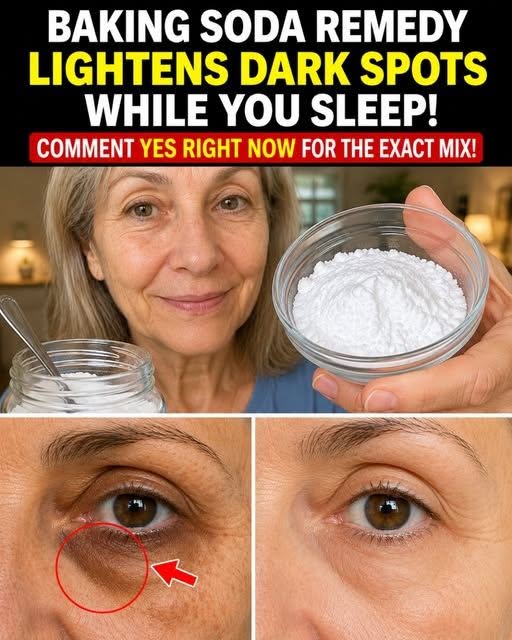
Baking soda (sodium bicarbonate) is a popular DIY beauty ingredient, with many online claims that it can brighten dark spots, remove pigmentation, or reduce under-eye circles. However, these claims are not well supported by scientific evidence, and using baking soda on the face can sometimes do more harm than good.
Can Baking Soda Remove Dark Spots?
Baking soda is mildly abrasive and alkaline, so it may temporarily make skin feel smoother by removing some surface dead skin cells. However, it does not reliably remove true pigmentation, such as:
- Age spots
- Sun spots
- Melasma
- Post-inflammatory dark marks
Overusing abrasive products can irritate the skin, and irritation itself can sometimes make dark patches worse.
Can Baking Soda Reduce Under-Eye Shadows?
Under-eye darkness has many possible causes, including:
- Genetics
- Thin skin showing blood vessels underneath
- Lack of sleep
- Allergies
- Dehydration
- Natural ageing and loss of volume around the eyes
Baking soda cannot change these underlying causes and may irritate the delicate skin around the eyes.
Possible Risks of Using Baking Soda on Your Face
Because baking soda is alkaline, it can disrupt the skin’s natural protective barrier.
Possible problems include:
- Dryness
- Burning or stinging
- Redness
- Irritation
- Increased sensitivity
- Worsening of uneven pigmentation after inflammation
The skin around the eyes is especially delicate, so extra caution is needed.
Safer Options for Dark Spots and Uneven Skin Tone
Ingredients with better evidence include:
✅ Daily sunscreen — helps prevent dark spots from becoming worse
✅ Vitamin C — may help brighten uneven pigmentation
✅ Niacinamide — can help with some forms of discoloration
✅ Retinoids/retinol — can improve skin texture and signs of ageing
✅ Azelaic acid — may help certain types of pigmentation and redness
For persistent pigmentation, a dermatologist can recommend treatments such as prescription creams or professional procedures.