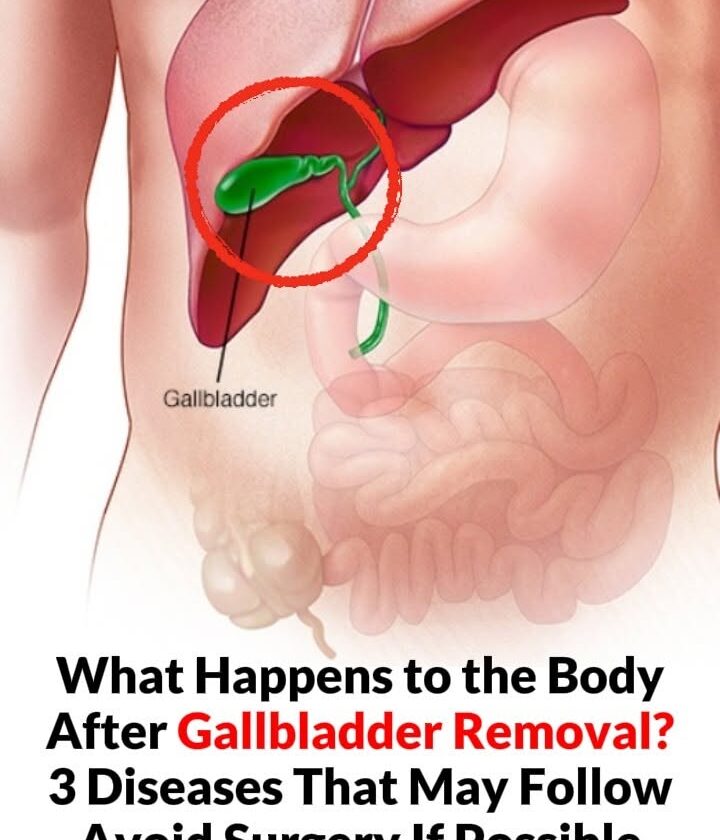
What Happens to the Body After Gallbladder Removal? 3 Conditions That May Follow
Headlines that say “avoid gallbladder surgery if possible” can be misleading. While gallbladder removal (cholecystectomy) can have side effects, it is often the safest and most effective treatment for symptomatic gallstones or gallbladder disease. For many people, it prevents serious complications such as infection, pancreatitis, or bile duct blockage.
Most people recover well and live normal lives without a gallbladder.
1. Bile Acid Diarrhoea
After gallbladder removal, bile flows continuously into the intestine instead of being stored and released during meals.
Some people may develop:
- Frequent loose stools
- Urgency to have a bowel movement
- Diarrhoea, particularly after fatty meals
This is often temporary and can usually be managed with dietary changes or medication if needed.
2. Digestive Changes
Some people notice temporary digestive symptoms, especially in the first few weeks or months after surgery.
These may include:
- Bloating
- Gas
- Indigestion
- Mild nausea
- Difficulty tolerating large or fatty meals
Many people find these symptoms improve as the digestive system adapts.
3. Post-Cholecystectomy Syndrome
A small number of people continue to have symptoms after surgery, sometimes called post-cholecystectomy syndrome.
Symptoms can include:
- Upper abdominal pain
- Bloating
- Indigestion
- Nausea
- Changes in bowel habits
These symptoms may be due to a variety of causes, including acid reflux, irritable bowel syndrome, or problems unrelated to the gallbladder itself.
Should You Avoid Gallbladder Surgery?
Not necessarily. The decision depends on why surgery is being recommended.
Gallbladder removal is commonly advised for:
- Repeated painful gallstone attacks
- Gallbladder inflammation (cholecystitis)
- Gallstones blocking the bile ducts
- Gallstone-related pancreatitis
In these situations, not having surgery may carry greater risks than the operation itself.
If gallstones are found incidentally and are not causing symptoms, surgery is often unnecessary.
Tips After Gallbladder Removal
Many people do well by:
- Eating smaller, more frequent meals at first
- Gradually reintroducing higher-fat foods
- Choosing a balanced, fibre-rich diet
- Drinking enough fluids
- Following their surgeon’s recovery advice
When to Seek Medical Advice
Contact a healthcare professional if you develop:
- Severe or persistent abdominal pain
- Fever or chills
- Yellowing of the skin or eyes (jaundice)
- Persistent vomiting
- Ongoing diarrhoea lasting several weeks
- Unexplained weight loss