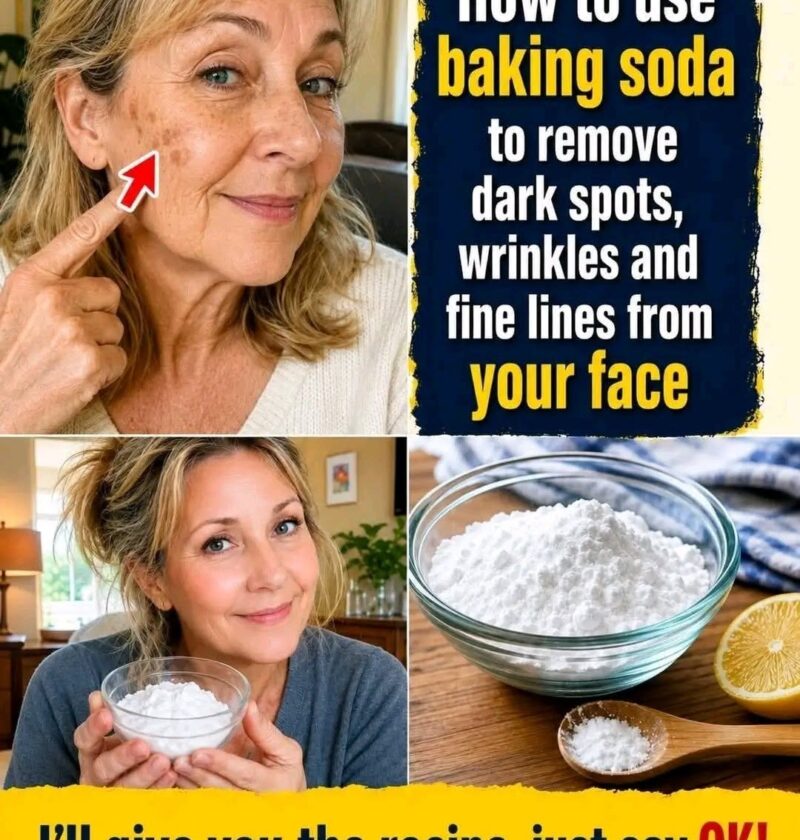
How to Use Baking Soda in Your Skincare Routine: Tips for Dark Spots, Wrinkles, and Dark Circles
Baking soda (sodium bicarbonate) is a common household ingredient, but it is not a proven treatment for dark spots, wrinkles, or under-eye dark circles. In fact, using it on your face may do more harm than good, especially if you have sensitive skin.
Why Baking Soda Is Not Ideal for Facial Skin
Healthy skin has a slightly acidic surface that helps protect against irritation and infection. Baking soda is alkaline, so frequent use can:
- Dry out the skin
- Cause redness and irritation
- Disrupt the skin’s protective barrier
- Increase sensitivity
- Potentially worsen dark spots if irritation leads to inflammation
The skin around the eyes is particularly delicate.
Can It Help Dark Spots?
There is no good scientific evidence that baking soda fades:
- Sun spots
- Age spots
- Melasma
- Acne marks
Any temporary smoothing effect comes from its mild abrasiveness, not from treating pigmentation.
Can It Reduce Wrinkles?
No. Baking soda does not stimulate collagen production or tighten skin in a way that reduces wrinkles.
For fine lines and wrinkles, ingredients with stronger evidence include:
- Retinoids or retinol
- Sunscreen (to prevent further damage)
- Vitamin C
- Moisturisers that help improve skin hydration
Can It Help Dark Circles?
Dark circles may be caused by:
- Genetics
- Thin skin
- Allergies
- Lack of sleep
- Ageing
- Pigmentation
Baking soda has not been shown to improve these causes and may irritate the under-eye area.
Safer Alternatives
For dark spots:
- Daily broad-spectrum sunscreen (SPF 30 or higher)
- Vitamin C serum
- Niacinamide
- Azelaic acid (for some types of pigmentation)
For wrinkles:
- Retinol or prescription retinoids (if appropriate)
- Regular moisturising
- Sun protection
For dark circles:
- Adequate sleep
- Managing allergies if present
- Cold compresses for puffiness
- A gentle eye cream if desired