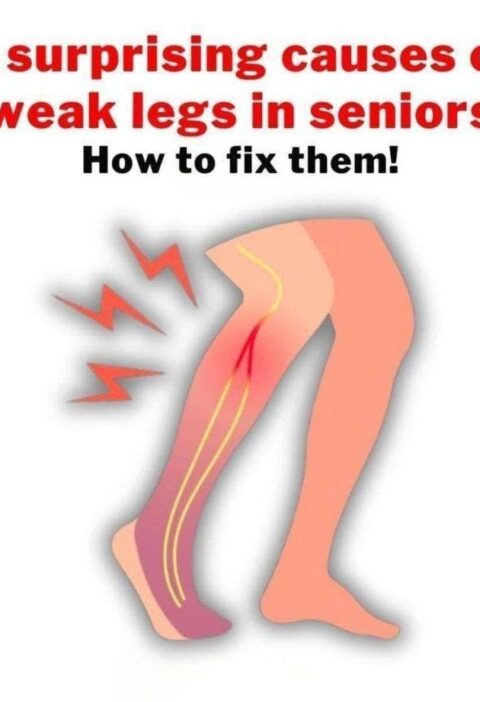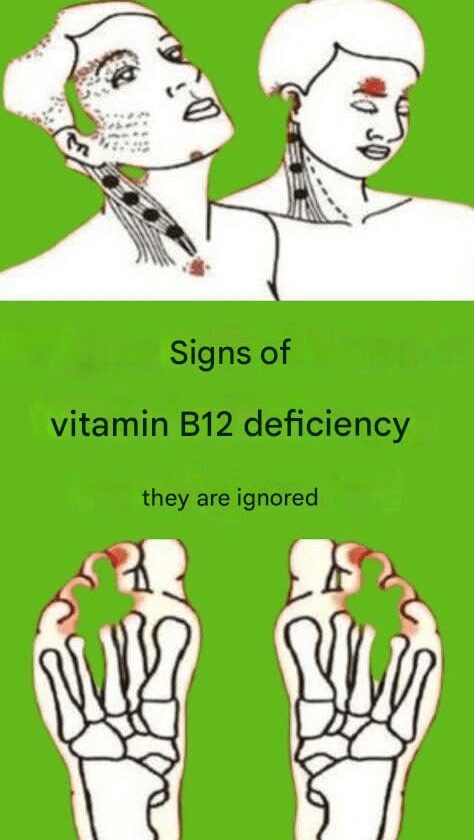
Vitamin B12 deficiency can develop gradually, and the early symptoms are often subtle or mistaken for ageing, stress, or other conditions. Recognising it early is important because prolonged deficiency can sometimes cause permanent nerve damage.
Common signs and symptoms include:
- Persistent tiredness or weakness
- Shortness of breath or feeling faint
- Pale or slightly yellow skin
- A sore, red, smooth tongue (glossitis) or mouth ulcers
- Pins and needles in the hands or feet
- Numbness or reduced sensation
- Difficulty walking or poor balance
- Memory problems, confusion, or difficulty concentrating
- Mood changes, including depression or irritability
- Blurred or disturbed vision (less common)
Who is at higher risk?
You’re more likely to develop a B12 deficiency if you:
- Follow a strict vegan diet without B12 supplementation.
- Have conditions that reduce B12 absorption, such as pernicious anaemia, coeliac disease, or Crohn’s disease.
- Have had stomach or bowel surgery.
- Take certain medicines long term, such as metformin or acid-reducing medications (proton pump inhibitors).
- Are an older adult, as absorption can decrease with age.
What about the nails?
People sometimes claim that nail ridges or lines are a sign of B12 deficiency. In reality:
- Vertical ridges, like those shown in your previous image, are usually a normal part of ageing.
- B12 deficiency is not commonly diagnosed from nail changes alone.
- In some cases, B12 deficiency may cause changes in nail colour or pigmentation, but these are uncommon and not specific.
How is it diagnosed?
A healthcare professional may recommend:
- A blood test to measure vitamin B12 levels.
- A full blood count to look for a type of anaemia caused by B12 deficiency.
- Additional tests, such as methylmalonic acid or intrinsic factor antibodies, if the diagnosis is unclear or pernicious anaemia is suspected.
Treatment
Treatment depends on the cause:
- Vitamin B12 tablets may be suitable if the deficiency is due to low dietary intake.
- Vitamin B12 injections are often used if absorption is impaired, such as in pernicious anaemia.
If you have symptoms such as numbness, balance problems, memory changes, or persistent fatigue, it’s worth arranging an appointment with your GP. These symptoms can have several causes, and a simple blood test can help determine whether B12 deficiency is one of them.