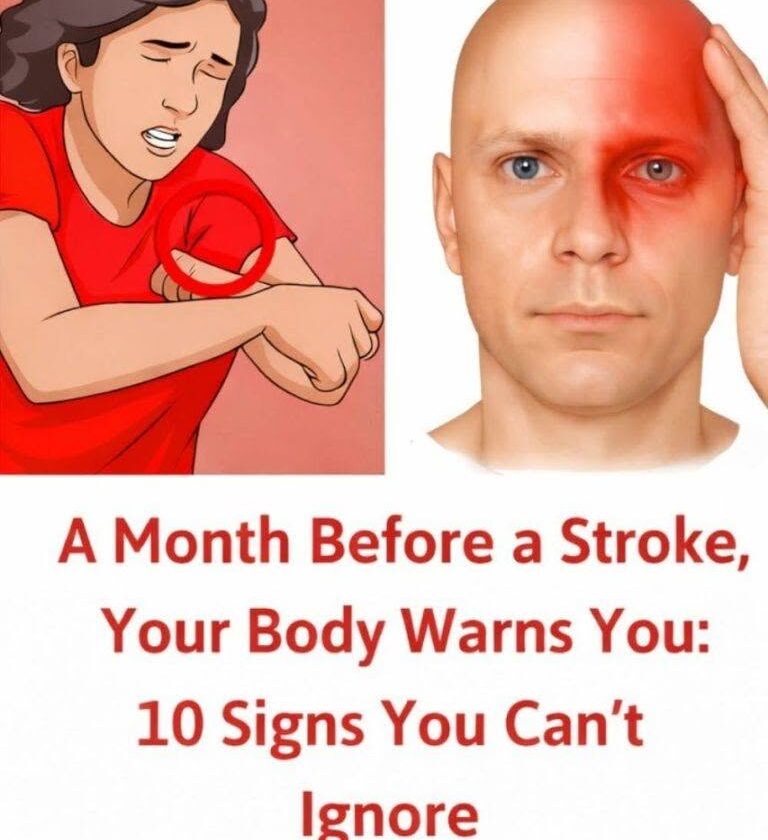
The claim that “your body warns you 10 signs a month before a stroke” is a common online message, but it is not medically accurate to say that every stroke gives a month-long warning period. Some people do have warning symptoms—especially from a transient ischemic attack (TIA, sometimes called a “mini-stroke”)—which can happen hours, days, or even weeks before a major stroke. A TIA is a medical emergency because it can be a warning sign of an upcoming stroke.
Possible warning signs that should not be ignored
Use the FAST rule:
- F — Face drooping: One side of the face becomes numb or droops.
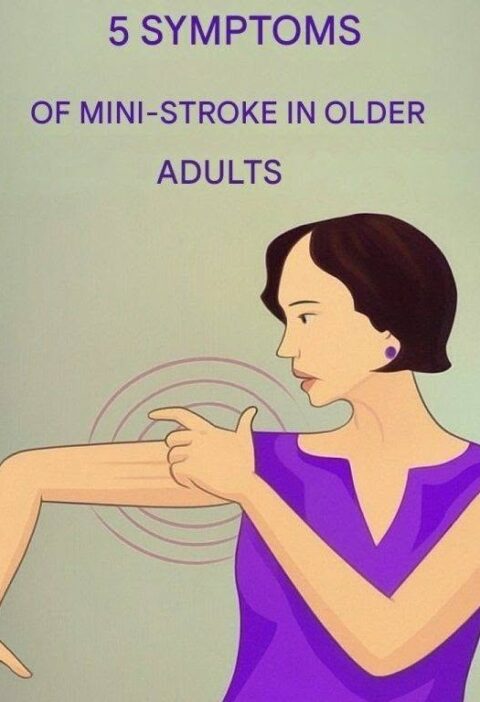
- A — Arm weakness: Sudden weakness or numbness in one arm (or leg), especially on one side.
- S — Speech difficulty: Slurred speech, trouble finding words, or difficulty understanding speech.
- T — Time to act: Call emergency services immediately if these occur.
Other possible stroke/TIA symptoms include:
- Sudden vision problems in one or both eyes
- Sudden dizziness, loss of balance, or trouble walking
- Sudden severe headache with no known cause
- Sudden confusion or difficulty understanding
- Sudden numbness or tingling on one side of the body
- Trouble swallowing
- Brief episodes of neurological symptoms that disappear (possible TIA)
Important points
- A stroke can happen without any warning signs.
- Symptoms that disappear after a few minutes are not harmless—they may be a TIA and still require urgent medical evaluation.
- Risk factors such as high blood pressure, diabetes, smoking, high cholesterol, irregular heartbeat (such as atrial fibrillation), and previous stroke/TIA increase risk.
If someone is experiencing stroke symptoms right now, they should seek emergency medical help immediately rather than waiting to see if it improves.