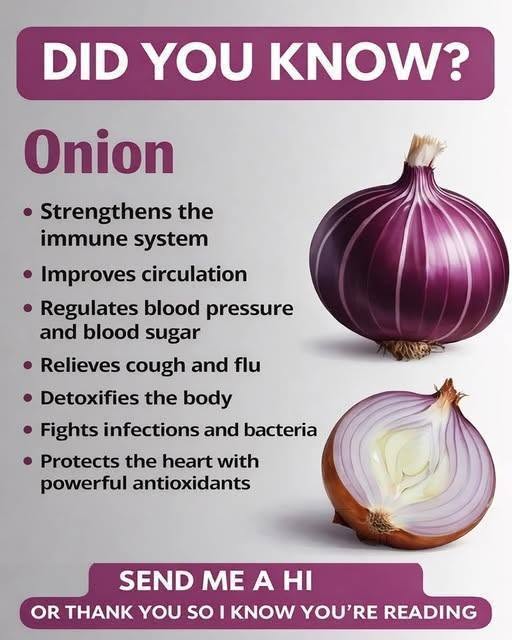
The Powerful Health Benefits of Onions
Onions are one of the most widely used vegetables in the world, adding flavor to countless dishes while also providing a range of nutrients and plant compounds that may support overall health. They are low in calories but rich in antioxidants and sulfur-containing compounds that contribute to their distinctive smell, taste, and potential health benefits.
1. Rich in Antioxidants
Onions contain antioxidants such as quercetin and sulfur compounds that help protect cells from oxidative stress caused by unstable molecules called free radicals. A diet rich in antioxidant-containing foods may support overall health and help the body manage normal inflammation.
2. May Support Heart Health
Research suggests that compounds in onions may help support cardiovascular health by:
- Supporting healthy blood vessel function
- Helping maintain normal cholesterol levels as part of a balanced diet
- Providing antioxidants that protect cells
Eating onions as part of a diet rich in vegetables, whole grains, and healthy fats may contribute to heart health.
3. Supports Immune Function
Onions provide nutrients and plant compounds that support the body’s normal immune defenses. Their antioxidants and sulfur compounds may help maintain a healthy immune response.
4. May Help Maintain Healthy Blood Sugar Levels
Some studies suggest onion compounds may have a role in supporting healthy blood sugar regulation. However, onions should be viewed as part of an overall healthy eating pattern rather than a replacement for diabetes treatment.
5. Promotes Digestive Health
Onions are a source of fiber and prebiotics, which help nourish beneficial gut bacteria. A healthy gut microbiome is associated with better digestive function and overall wellness.
6. Supports Bone Health
Some research has explored a possible connection between onion consumption and bone health, especially because certain plant compounds may influence processes involved in bone maintenance. More research is needed to fully understand this relationship.
7. May Have Anti-Inflammatory Effects
Quercetin and other compounds in onions have been studied for their role in regulating inflammation pathways. Eating onions regularly may contribute to an overall anti-inflammatory diet pattern.
8. May Support Respiratory Health
Traditional diets have long used onions in home remedies for colds and congestion. While onions may provide soothing benefits as part of food and hydration habits, they are not a cure for respiratory illnesses.
Best Ways to Eat Onions
To get the most nutritional benefit:
- Add raw onions to salads, sandwiches, or salsas for higher levels of some heat-sensitive compounds.
- Use lightly cooked onions to preserve flavor and nutrients.
- Include a variety of vegetables in your diet rather than relying on a single food.
Things to Keep in Mind
Some people may experience:
- Gas or bloating due to onion’s fermentable carbohydrates
- Heartburn or digestive discomfort
- Allergic reactions (rare)
People taking certain medications or managing specific health conditions should discuss major dietary changes with a healthcare professional.
Bottom Line
Onions are a nutritious, affordable food that can support a healthy diet. Their antioxidants, fiber, and plant compounds may contribute to heart health, digestion, immune support, and normal inflammation control. While onions are not a miracle food, adding them regularly to balanced meals is a simple way to increase your intake of beneficial plant nutrients.