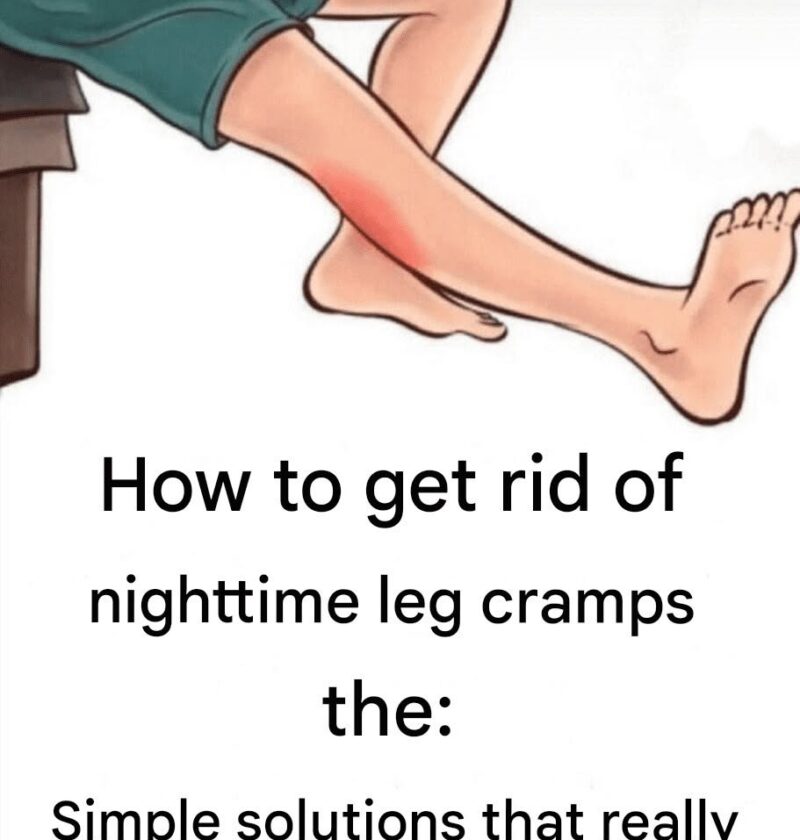
How to Get Rid of Nighttime Leg Cramps: Simple Solutions That Really Work
Nighttime leg cramps are sudden, painful muscle contractions, most often in the calves, but they can also affect the feet or thighs. While they can be very uncomfortable, they are usually not a sign of a serious problem.
What to do when a cramp starts
✅ Stretch the muscle
- For a calf cramp, straighten your leg and gently pull your toes toward your shin.
- Hold the stretch for 15–30 seconds.
✅ Massage the muscle
- Gently rub or knead the cramped area until it begins to relax.
✅ Walk if you can
- Standing and taking a few steps may help the muscle release.
✅ Apply heat
- A warm towel, heating pad, or warm bath can help relax tight muscles.
- If the muscle remains sore afterward, some people find a cold pack helpful.
How to help prevent nighttime cramps
- 💧 Stay well hydrated throughout the day, especially if you exercise or spend time in hot weather.
- 🧘 Stretch your calves and hamstrings before bed.
- 🚶 Stay physically active. Regular walking and strengthening exercises can reduce cramps for some people.
- 👟 Avoid sitting or standing in one position for long periods.
- 🥗 Eat a balanced diet that includes sources of potassium, magnesium, and calcium, such as leafy greens, beans, nuts, dairy (if you consume it), and fruit. Most people do not need supplements unless a deficiency has been identified.
Check your medications
Some medications can contribute to muscle cramps in certain people, including some:
- Diuretics (“water pills”)
- Cholesterol-lowering medications
- Asthma medications
Don’t stop a prescribed medication on your own, but if you think it’s contributing to cramps, discuss it with your healthcare professional.
When to seek medical advice
See a healthcare professional if your leg cramps:
- Occur frequently or are becoming more severe
- Cause significant sleep disruption
- Are accompanied by muscle weakness, numbness, swelling, or redness
- Began after starting a new medication
- Affect only one leg and are associated with swelling or warmth, which could indicate a different condition that needs prompt evaluation
Does magnesium help?
Magnesium supplements are often promoted for leg cramps, but research has shown mixed results. They may help if you have a magnesium deficiency, but they are not a proven treatment for most people with nighttime leg cramps.