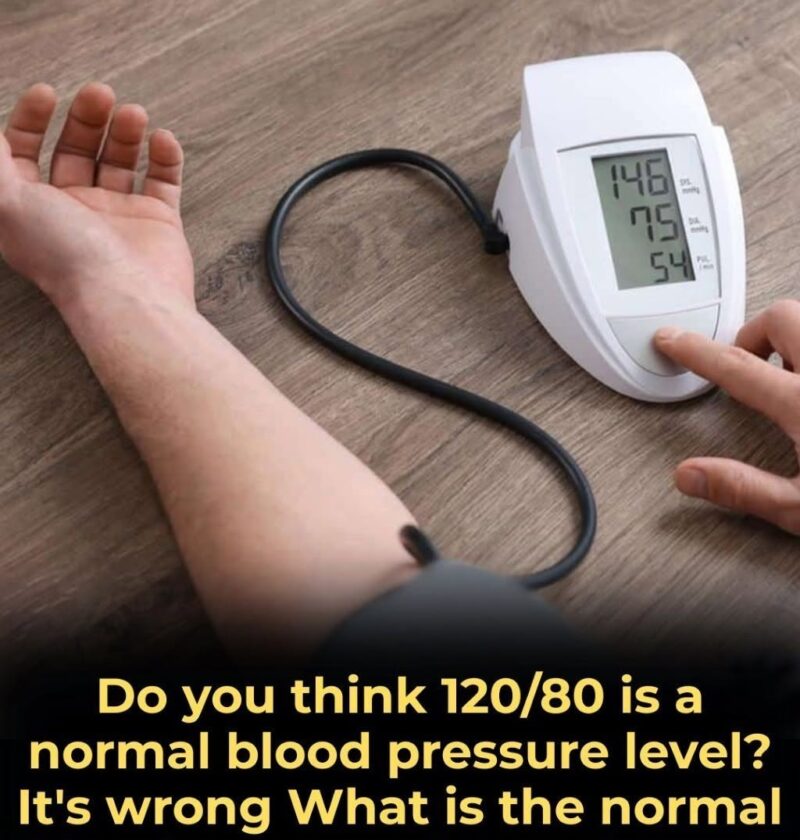
Blood pressure categories for adults
| Category | Systolic (top number) | Diastolic (bottom number) |
|---|---|---|
| Normal | Less than 120 | Less than 80 |
| Elevated | 120–129 | Less than 80 |
| High blood pressure (Stage 1) | 130–139 | 80–89 |
| High blood pressure (Stage 2) | 140 or higher | 90 or higher |
| Hypertensive crisis* | 180 or higher | 120 or higher |
*A reading this high, especially if repeated or accompanied by symptoms such as chest pain, severe headache, shortness of breath, confusion, or vision changes, requires immediate medical attention.
Does “normal” increase with age?
Blood pressure tends to rise with age, but that does not mean higher readings are considered normal or ideal. Many older adults benefit from keeping their blood pressure well controlled, though treatment goals may be individualized based on factors such as:
- Overall health
- Frailty
- Other medical conditions
- Medications
Your healthcare professional can recommend the target that’s most appropriate for you.
Tips for getting an accurate reading
- Sit quietly for 5 minutes before measuring.
- Keep your feet flat on the floor and your back supported.
- Rest your arm at heart level.
- Avoid caffeine, smoking, and exercise for about 30 minutes beforehand if possible.
- Take two readings, one minute apart, and average them.
When to talk to a healthcare professional
Make an appointment if:
- Your readings are consistently 130/80 mmHg or higher.
- Your blood pressure is much lower than usual and you’re experiencing dizziness or fainting.
- Your readings vary widely from day to day.
Bottom line: Rather than using an age-based chart, focus on maintaining a healthy blood pressure for your individual situation. For most adults, a reading below 120/80 mmHg is considered normal, while persistent readings 130/80 mmHg or higher warrant discussion with a healthcare professional.