Signs of Vitamin B12 Deficiency That Are Often Overlooked
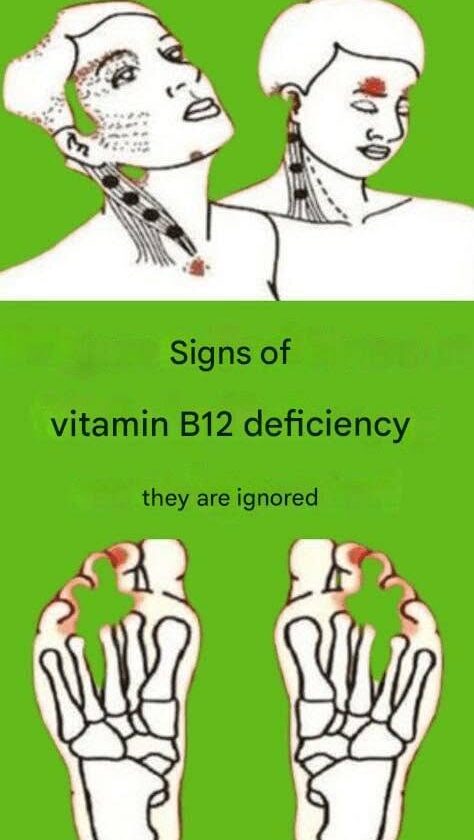
Vitamin B12 is important for making healthy red blood cells, maintaining the nervous system, and supporting normal energy metabolism. A deficiency can develop slowly, and some symptoms may be mistaken for aging, stress, or other health issues.
Common signs include:
- Unusual tiredness or weakness
- B12 deficiency can lead to anemia, which may cause low energy, fatigue, or reduced stamina.
- Numbness or tingling
- “Pins and needles” in the hands or feet can occur when B12 deficiency affects nerves.
- Balance problems
- Nerve changes may contribute to unsteadiness or difficulty walking.
- Memory or concentration changes
- Some people experience brain fog, trouble focusing, or mood changes.
- Pale skin or a sore tongue
- B12-related anemia may cause paleness, while the tongue can become smooth, red, or painful.
- Mood changes
- Irritability, low mood, or depression-like symptoms can sometimes be associated with deficiency.
- Vision changes
- Rarely, nerve damage related to B12 deficiency can affect vision.
Who may be at higher risk?
- Older adults
- People with reduced absorption of nutrients (such as certain stomach or intestinal conditions)
- People taking long-term metformin or acid-reducing medications
- Those following a strict vegan diet without B12 supplementation
What to do:
A blood test can help check B12 status. Treatment depends on the cause and may include dietary changes or supplements under medical guidance.
Because nerve problems from severe or prolonged B12 deficiency can become permanent, persistent symptoms—especially numbness, balance problems, or significant fatigue—are worth discussing with a healthcare professional.