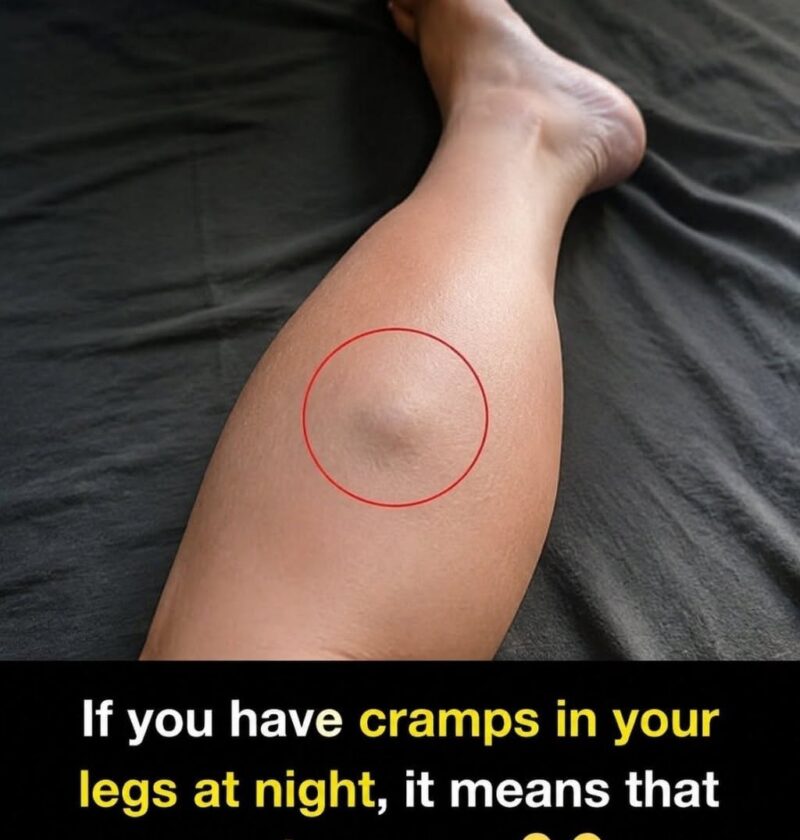
Nighttime leg cramps are very common, especially as people get older. They are sudden, painful muscle contractions—often in the calf, foot, or thigh—that can wake you from sleep. In many cases, the exact cause isn’t known, but several factors can increase the likelihood.
Here are 8 possible triggers:
Muscle fatigue
Standing for long periods, strenuous exercise, or overusing the muscles can contribute.
Sitting for long periods
Long periods of inactivity during the day may increase the risk.
Dehydration
Not drinking enough fluids can contribute to muscle cramps in some people.
Electrolyte imbalances
Low levels of minerals such as magnesium, potassium, or calcium can play a role in some cases, though they’re not the cause for everyone.
Certain medications
Some medications, such as certain diuretics, statins, or others, may be associated with muscle cramps. Don’t stop a prescribed medication without talking to your healthcare professional.
Pregnancy
Leg cramps are common, particularly in the second and third trimesters.
Medical conditions
Conditions such as diabetes, nerve disorders, kidney disease, thyroid disorders, or poor circulation can sometimes contribute.
Age
Nighttime leg cramps become more common with increasing age.
Habits that may help reduce cramps
Stretch your calf and hamstring muscles before bed.
Stay well hydrated throughout the day.
Get regular, moderate physical activity.
Wear supportive footwear if you stand or walk a lot.
Avoid sitting or standing in one position for extended periods.
What to do during a cramp
Gently stretch the affected muscle. For a calf cramp, straighten your leg and pull your toes toward your shin.
Massage the muscle.
Walk around if you’re able.
Apply a warm towel or heating pad to help relax the muscle. Some people find ice helpful afterward if the muscle remains sore.
When to see a healthcare professional
Seek medical advice if cramps:
Are frequent or severe.
Cause significant sleep disruption.
Are accompanied by muscle weakness, swelling, redness, or numbness.
Begin after starting a new medication.
Persist despite self-care measures.