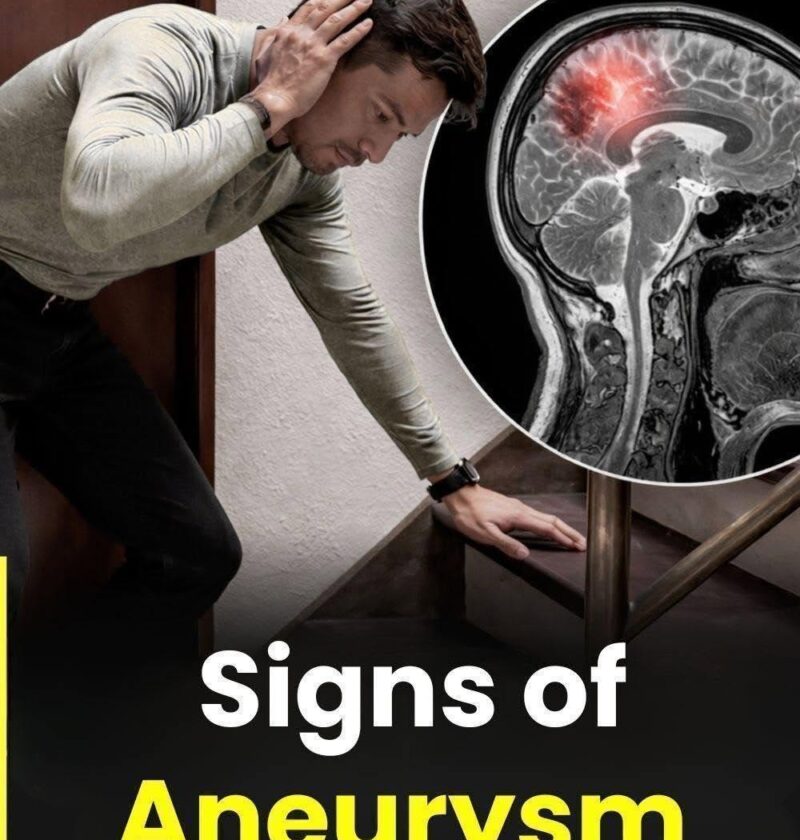
Aneurysm: Signs You Shouldn’t Ignore
An aneurysm is a weakened, bulging area in the wall of a blood vessel. Many aneurysms cause no symptoms until they become large, leak, or rupture. A ruptured aneurysm is a medical emergency.
Warning signs depend on where the aneurysm is
Brain (cerebral) aneurysm
A ruptured brain aneurysm can cause:
- A sudden, extremely severe headache (“the worst headache of my life”)
- Nausea and vomiting
- Stiff neck
- Sensitivity to light
- Blurred or double vision
- Confusion
- Seizures
- Loss of consciousness
Abdominal aortic aneurysm (AAA)
A large or ruptured aneurysm may cause:
- Sudden, severe pain in the abdomen, back, or side
- A pulsating sensation in the abdomen
- Dizziness or fainting
- Signs of shock (cold, clammy skin, rapid heartbeat)
Thoracic aortic aneurysm
Possible symptoms include:
- Chest pain
- Back pain
- Shortness of breath
- Difficulty swallowing
- Hoarseness
Risk factors
Some factors that increase the risk of aneurysms include:
- Smoking
- High blood pressure
- Older age
- Family history of aneurysm
- Hardening of the arteries (atherosclerosis)
- Certain inherited connective tissue disorders
When to get emergency help
Call your local emergency services immediately if you or someone else has:
- A sudden, severe headache unlike any before
- Sudden severe chest, back, or abdominal pain
- Fainting or loss of consciousness
- Sudden weakness, difficulty speaking, or vision changes
These symptoms can indicate a ruptured aneurysm or another life-threatening condition such as a stroke or heart attack.
Can aneurysms be prevented?
You can’t prevent every aneurysm, but you can reduce your risk by:
- Not smoking
- Keeping blood pressure under control
- Managing cholesterol and diabetes if present
- Exercising regularly
- Eating a heart-healthy diet