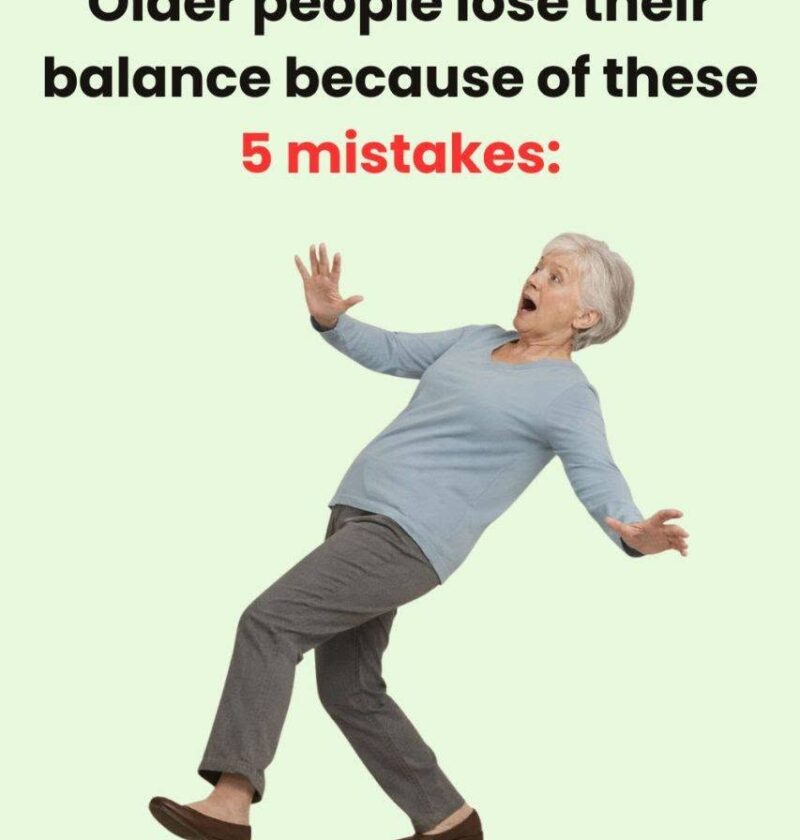
Common Mistakes That Affect Balance in Older Adults
Balance naturally can change with age, but many falls and balance problems are influenced by modifiable factors. Small adjustments in daily habits, home safety, and physical activity can help older adults maintain stability and confidence.
1. Avoiding exercise because of fear of falling
It may seem safer to move less, but inactivity can lead to:
- Weaker leg muscles
- Reduced coordination
- Less confidence with movement
Better approach: Regular balance, strength, and walking exercises can help maintain mobility.
2. Ignoring vision changes
Poor vision can make it harder to judge:
- Steps
- Obstacles
- Uneven surfaces
Better approach: Have regular eye exams and update glasses or vision treatments when needed.
3. Wearing unsafe footwear
Shoes that increase fall risk include:
- Loose slippers
- Smooth soles
- High heels
- Poorly fitting shoes
Better approach: Choose supportive, well-fitting shoes with good grip.
4. Keeping a cluttered home
Common hazards include:
- Loose rugs
- Electrical cords
- Poor lighting
- Items left on walkways
Better approach: Keep pathways clear and add lighting where needed.
5. Standing up too quickly
Sudden position changes can cause dizziness, especially in people who experience drops in blood pressure.
Better approach: Sit at the edge of the bed or chair briefly before standing.
6. Not training leg strength
Strong legs help with:
- Getting up from chairs
- Climbing stairs
- Recovering from a stumble
Better approach: Include safe strength exercises as recommended by a healthcare professional or physical therapist.
7. Ignoring medication side effects
Some medications can contribute to:
- Dizziness
- Sleepiness
- Low blood pressure
- Balance changes
Better approach: Review medications regularly with a healthcare professional.
8. Dehydration
Not drinking enough fluids may contribute to:
- Weakness
- Lightheadedness
- Confusion
Better approach: Follow appropriate fluid recommendations, especially in hot weather or during illness.
9. Rushing during daily activities
Hurrying to answer the phone, use the bathroom, or complete tasks can increase fall risk.
Better approach: Slow down and use support when needed.
10. Skipping balance practice
Balance is a skill that can improve with training.
Examples of balance exercises (when safe):
- Heel-to-toe walking
- Standing on one foot while holding support
- Tai chi
- Guided balance programs