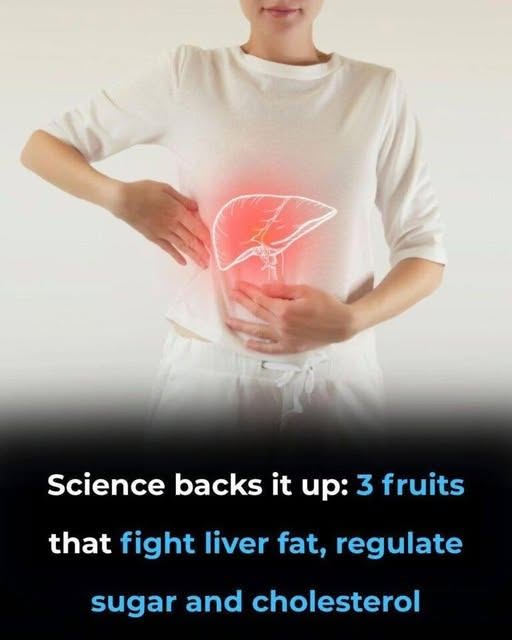
A key condition here is Nonalcoholic fatty liver disease, which is strongly linked to insulin resistance, excess calories, and metabolic health.
Here are 3 fruits with the best evidence-based support:
1. Apples
Apples contain soluble fiber (pectin) and polyphenols.
- May help reduce LDL (“bad”) cholesterol
- Helps slow sugar absorption, improving blood glucose control
- Supports gut health, which is linked to liver metabolism
👉 Best form: whole apple (not juice)
2. Berries (blueberries, strawberries, blackberries)
Berries are rich in antioxidants called anthocyanins.
- May reduce inflammation linked to fatty liver
- Can improve insulin sensitivity
- May help lower oxidative stress in the liver
👉 Strong benefit comes from regular consumption, not occasional intake
3. Citrus fruits (oranges, grapefruits, lemons)
Citrus fruits contain vitamin C, flavonoids, and fiber.
- May support cholesterol reduction
- Can improve fat metabolism markers in some studies
- Help with insulin response when eaten whole
⚠️ Note: Grapefruit can interact with some medications, including blood pressure and cholesterol drugs.
Important truth most videos skip:
No fruit “burns fat from the liver” or “cures fatty liver” on its own. Real improvement in NAFLD comes from:
- Weight loss (even 5–10% body weight)
- Reducing sugary drinks and refined carbs
- Regular physical activity
- Controlling conditions like diabetes and high triglycerides
Fruits help because they replace processed foods and add fiber—not because they have a special fat-burning effect.
If you want, tell me your diet or health goal (fatty liver, cholesterol, diabetes risk), and I can suggest a simple daily eating plan that actually matches clinical evidence.