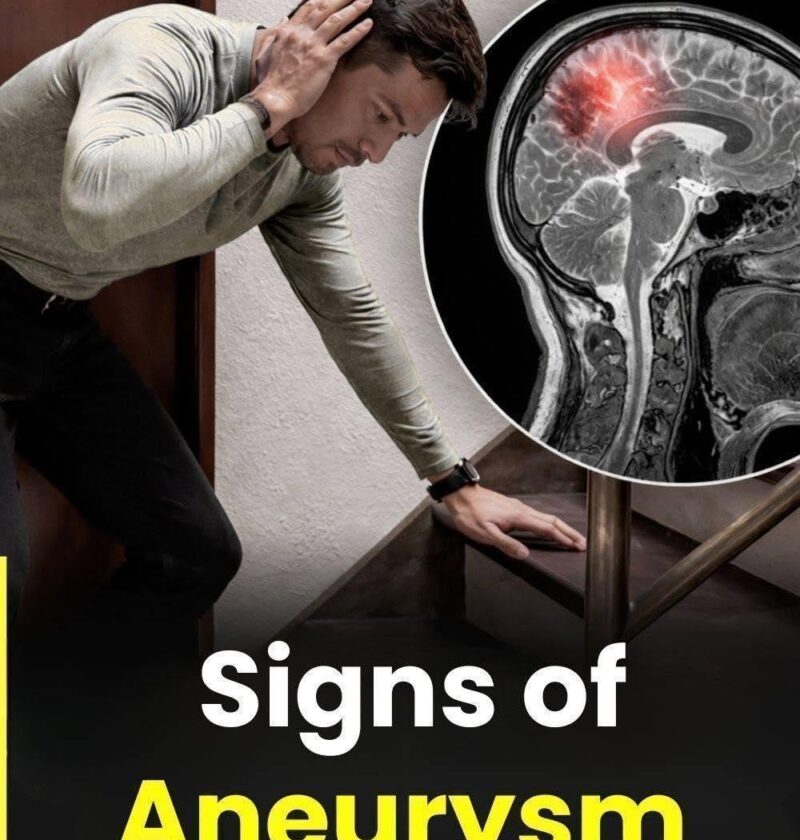
An aneurysm is a weakened area in the wall of a blood vessel that causes it to bulge. Many aneurysms cause no symptoms until they grow large or rupture, which is why some are called “silent.” A ruptured aneurysm can be life-threatening and requires emergency care.
Warning Signs of an Aneurysm You Shouldn’t Ignore
1. Sudden, severe headache (“worst headache of your life”)
- A sudden explosive headache can be a warning sign of a brain aneurysm rupture.
- It may come with nausea, vomiting, neck stiffness, or sensitivity to light.
2. Sudden weakness, numbness, or trouble speaking
- Facial drooping, weakness on one side of the body, confusion, or difficulty speaking can signal bleeding in the brain or stroke-like effects.
3. Vision changes
- Blurred vision, double vision, or a drooping eyelid can occur with some brain aneurysms pressing on nearby nerves.
4. Chest, back, or abdominal pain
- Aneurysms in the aorta (the body’s largest artery) may cause deep, persistent pain in the chest, back, or abdomen.
5. A pulsating feeling or lump in the abdomen
- Some abdominal aortic aneurysms may be felt as a pulsing mass, especially in thinner individuals.
6. Dizziness, fainting, or rapid heartbeat
- These can occur if an aneurysm ruptures and causes internal bleeding or reduced blood flow.
7. Shortness of breath or difficulty swallowing
- Large aneurysms in the chest area can sometimes press on nearby structures.
Emergency signs — seek help immediately:
Call emergency services if someone has:
- A sudden, severe headache
- Loss of consciousness
- Sudden weakness or paralysis
- Chest or abdominal pain that is severe and sudden
- Signs of shock (pale, sweaty, confused, faint)